
Edgeworth's Barberry
Berberis edgeworthiana
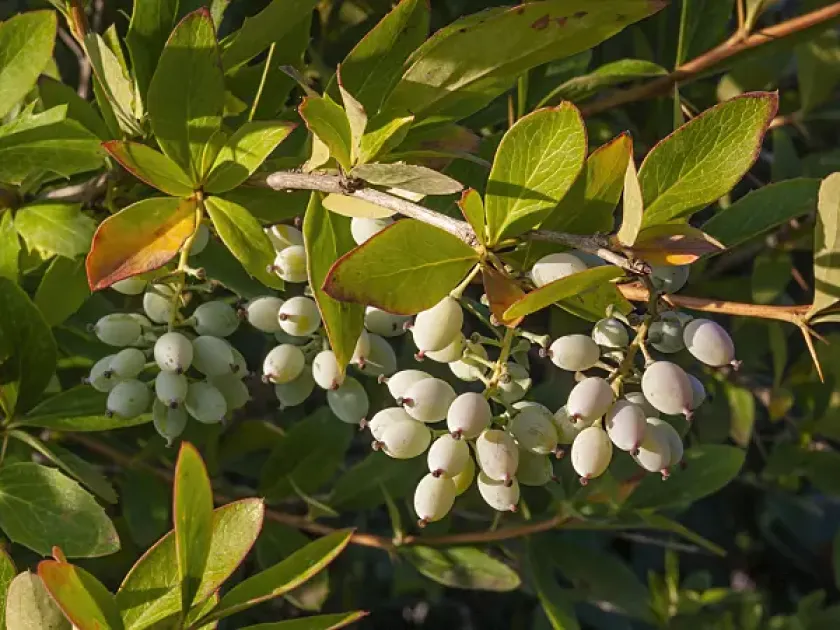
Description
Growing requirements
Edgeworth's Barberry (Berberis edgeworthiana) is a distinct species within the Berberidaceae family, originating from the high-altitude regions of the Himalayas. Its unique morphological structure makes it a valued asset for both ornamental horticulture and botanical collections.
The plant thrives in sites with full sun exposure, which is necessary to maintain its foliage color and promote vigorous development. While it exhibits some adaptability, it performs best in soils that are well-drained and slightly acidic to neutral in pH.
Maintenance of soil moisture is important during the plant's establishment phase. Once mature, the species demonstrates moderate drought tolerance; however, consistent watering during intense summer heat significantly improves its vegetative growth and overall resilience.
Environmental requirements for this species include protection from harsh, drying winds that can damage young shoots. Proper site selection in a garden or nursery setting ensures that the plant remains healthy and resistant to physiological stressors.
Cultural management should include periodic pruning to maintain the shrub's shape and encourage air circulation throughout the interior of the plant. This structural maintenance is essential for longevity and preventing the onset of stress-related conditions.
Main diseases and pests
Fungal diseases remain the primary threat to the health of Edgeworth's Barberry, particularly in regions with high seasonal rainfall. Powdery mildew can affect the foliage, resulting in reduced photosynthetic efficiency and premature leaf drop.
Common insect pests include scale insects and aphids, which feed on the sap of tender stems. Effective pest management strategies involve regular monitoring and the application of horticultural oils or approved insecticides during the active growth period.