
Silva-Tarouca barberry
Berberis silva-taroucana
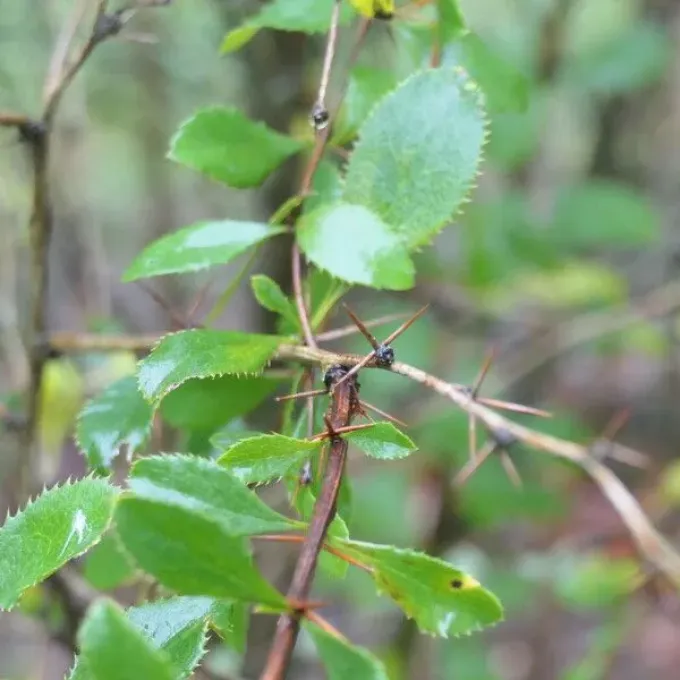
Description
Growing requirements
Silva-Tarouca barberry is an ornamental shrub belonging to the Berberidaceae family. This species is highly valued for its elegant architecture and distinct foliage, making it a staple in temperate climate landscaping and ornamental horticulture.
Originating from the mountainous regions of Western China, this plant has adapted to withstand significant temperature variations. Its natural habitat is characterized by well-drained slopes, which dictates the specific growing conditions required in a garden setting.
The plant thrives in well-drained soils, ranging from sandy loams to rocky substrates, and is relatively tolerant of varying soil pH levels. Ensuring excellent drainage is paramount, as the species is highly susceptible to root rot in waterlogged conditions.
In terms of light exposure, this barberry prefers full sun to light shade. Adequate sunlight is essential for maintaining the plant's structural integrity and ensuring the development of its natural, dense branching pattern.
Routine maintenance includes structural pruning in late winter or early spring to remove dead wood and encourage new growth. Although moderately drought-tolerant once established, supplemental irrigation during prolonged heatwaves is recommended to maintain optimal vigor.
Main diseases and pests
The primary pathological threats to this shrub include powdery mildew and leaf rust, both of which thrive in humid and poorly ventilated environments. These fungi can lead to premature leaf drop if not managed correctly.
Pest management focuses on controlling aphids and sawflies. Aphids typically congregate on tender young shoots, while sawfly larvae can quickly defoliate branches if their population is not monitored during the spring months.
To mitigate the risk of disease, gardeners should focus on proper spacing between individual shrubs. This practice facilitates air circulation, significantly reducing the moisture levels on the leaves that are conducive to fungal growth.
Integrated pest management strategies are recommended, starting with mechanical removal of heavily infested branches and progressing to the application of systemic insecticides or bio-fungicides when necessary.
Proper hygiene, such as clearing debris from beneath the shrub in the autumn, is a fundamental agricultural practice that reduces the inoculum potential for the following growing season.