
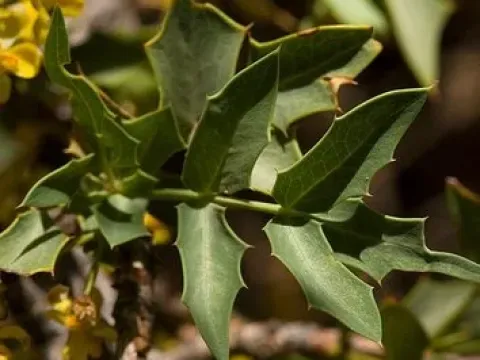
Sherriff's barberry
Berberis sherriffii
Sherriff's barberry (Berberis sherriffii) is a distinctive deciduous shrub belonging to the Berberidaceae family. Originating from the high-altitude regions of the Himalayas, specifically Bhutan, this plant has adapted to cool, misty, and mountainous environments, making it a rare and interesting specimen for gardens.
What the section contains
Sherriff's barberry
The cultural requirements of this species focus on well-drained soil that remains moist but never waterlogged. It thrives best in fertile, loamy soils with a pH ranging from slightly acidic to neutral. High-quality drainage is essential to prevent root rot, which is a common issue for this species in lower-altitude landscapes.
Exposure to full sun is generally preferred to maximize the plant's aesthetic foliage quality, although in regions with intense summer heat, light afternoon shade is beneficial. The shrub is remarkably hardy, possessing natural tolerance to cold temperatures consistent with its mountain origins.
Agronomic management involves annual pruning to maintain a healthy structure and encourage dense foliage growth. Fertilization should be light; a balanced, slow-release fertilizer applied in early spring is usually sufficient to support growth without causing overly lush, weak development that could attract pests.
Economically, its primary value is ornamental. It is highly valued in specialty gardening for its unique Himalayan character, architectural form, and visual interest, often serving as a focal point in rock gardens or as an addition to diverse shrub borders.
Like many species in the Berberis genus, Berberis sherriffii is susceptible to powdery mildew. This fungal disease creates a white, dusty layer on leaves, primarily when air circulation is poor or humidity levels remain consistently high for extended periods.
Rust diseases are also a significant concern. They manifest as spots on leaves, which can lead to premature defoliation if left untreated. Fungicidal treatments should be applied preventatively if the local environment is known for frequent moisture-related infections.
Aphids represent the most common pest pressure for this shrub. They tend to cluster on tender new shoots and buds, extracting vital sap. Regular monitoring during the spring growth flush is necessary to prevent significant damage and stunted growth.
Leaf-rolling insects and caterpillars may also cause mechanical damage to the foliage during the summer months. While hand-picking can be effective for small garden settings, more extensive infestations might require the use of safe, targeted insecticides.
Integrated pest management strategies are highly recommended. By keeping the plant healthy through correct irrigation and ensuring the surrounding area is kept clean of debris, the gardener significantly reduces the habitats where common pests and diseases survive the winter.