
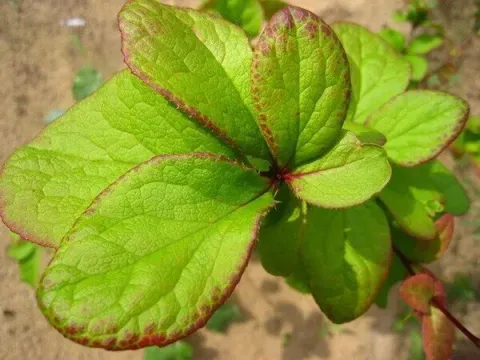
Sargent's barberry
Berberis sargentiana
Sargent's barberry (Berberis sargentiana) is a species belonging to the Berberidaceae family. It is an evergreen shrub originating from central China, known for its dense habit and prickly stems, reaching heights of up to two meters.
What the section contains
Sargent's barberry
The plant thrives in well-drained, fertile soils with a pH ranging from neutral to slightly alkaline. It is essential to ensure proper soil drainage, as the roots are sensitive to waterlogging, which can easily lead to root rot during wet seasons.
For optimal growth, the shrub requires a location with full sun or partial shade, protected from cold winds. While it is hardy in many temperate zones, it performs best in regions where harsh winter frost is avoided or mitigated by favorable microclimates.
General maintenance includes early spring pruning to remove dead or damaged wood and to maintain the desired shape. During drought periods, supplemental watering is necessary, while balanced fertilizer applications in spring support vigorous leaf development.
This shrub is primarily used in landscape design for security hedging due to its formidable spines. It also serves as an ornamental specimen, valued for its lush evergreen foliage and autumn color shifts in colder climates.
Sargent's barberry is susceptible to common fungal diseases such as rust and powdery mildew. These issues often arise in conditions with poor air circulation or excessive humidity, requiring careful site management.
Applying fungicides during early spring is an effective preventive measure. Keeping the foliage dry through proper pruning and thinning of the interior branches helps significantly reduce the incidence of fungal pathogens.
Insect pests, including barberry aphids and various moth larvae, can damage young shoots and leaves. These pests are usually managed through the application of suitable insecticides or horticultural oils if infestations are detected.
Sanitation is a critical part of plant protection; removing and disposing of fallen leaves at the end of the season helps break the life cycle of many pathogens and overwintering insects.
By ensuring the plant is not overcrowded and receives adequate airflow, the risk of severe disease outbreaks is minimized. A proactive approach to monitoring the health of the leaves ensures a vibrant and aesthetically pleasing shrub throughout the year.