
Manipur barberry
Berberis manipurana
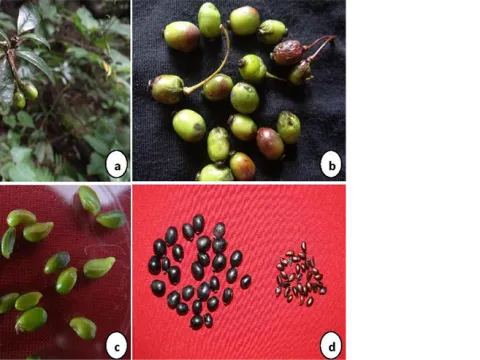
Manipur barberry (Berberis manipurana) is an ornamental shrub belonging to the Berberidaceae family, originating from the mountainous regions of Manipur, India. This plant is valued for its unique foliage and structural form, making it a distinct choice for landscape gardening.
What the section contains
Manipur barberry
The plant thrives in well-drained, fertile soil with a slightly acidic to neutral pH. Proper soil preparation is critical, as the roots are sensitive to waterlogging. In areas with heavy clay soils, it is essential to incorporate organic matter and grit to improve aeration and drainage.
Climatically, it prefers temperate conditions with ample sunlight to ensure optimal leaf coloration. While it possesses some shade tolerance, full exposure to sunlight promotes more compact growth and richer foliage colors, which are desirable in ornamental cultivation.
Agricultural practices involve regular, though moderate, irrigation, especially during the establishment phase. Mulching with organic materials helps to maintain soil moisture levels and suppress weed growth around the base of the plant.
Annual maintenance requires minimal pruning, typically performed in late winter or early spring. Removing dead, damaged, or overcrowded branches encourages healthy growth and maintains the plant's aesthetic shape throughout the growing season.
The primary pathological threat to Manipur barberry is powdery mildew, a fungal infection that covers leaves in a white, dusty film. Management requires fungicide applications and improved airflow through pruning to reduce humidity within the foliage.
Aphids are the most significant insect pest, often clustering on new growth and causing curling leaves. Controlling aphid populations involves early detection and the use of targeted insecticidal soaps or systemic pesticides.
Rust diseases, characterized by orange or yellow pustules on the leaf undersides, can also occur. Sanitation, which includes removing and destroying infected fallen leaves, is vital to prevent the spread of fungal spores during the following spring.
Overcrowded plantings increase the risk of pest and disease outbreaks. Providing adequate spacing between plants allows for better sunlight penetration and air movement, which are natural deterrents to many pathogens.
Regular inspection of the plant's health, particularly during periods of high humidity, is crucial. Proactive maintenance and correct fertilization schedules can significantly enhance the plant's resistance to environmental stressors and pests.