
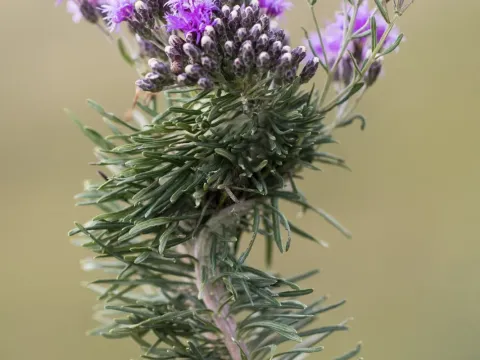
Vernonanthura
Vernonanthura
Sowing Vernonanthura seeds should be done once soil temperatures have stabilized in the spring, as this ensures optimal germination conditions. The plant responds well to warm weather, and early exposure to frost should be strictly avoided to protect young seedlings.
What the section contains
 Vernonanthura brasiliana
Vernonanthura brasiliana
Vernonanthura brasiliana
 Vernonanthura chamaedrys
Vernonanthura chamaedrys
Vernonanthura chamaedrys
 Vernonanthura discolor
Vernonanthura divaricata
Vernonanthura divaricata
Vernonanthura discolor
Vernonanthura discolor
Vernonanthura divaricata
Vernonanthura divaricata
 Vernonanthura ferruginea
Vernonanthura menthaefolia
Vernonanthura menthaefolia
Vernonanthura ferruginea
Vernonanthura ferruginea
Vernonanthura menthaefolia
Vernonanthura menthaefolia
 Vernonanthura montevidensis
Vernonanthura montevidensis
Vernonanthura montevidensis
 Vernonanthura nudiflora
Vernonanthura nudiflora
Vernonanthura nudiflora
 Vernonanthura patens
Vernonanthura patens
Vernonanthura patens
 Vernonanthura polyanthes
Vernonanthura serratuloides
Vernonanthura serratuloides
Vernonanthura polyanthes
Vernonanthura polyanthes
Vernonanthura serratuloides
Vernonanthura serratuloides
 Vernonanthura tweedieana
Vernonanthura tweedieana
Vernonanthura tweedieana
 Vernonanthura westiniana
Vernonanthura westiniana
Vernonanthura westiniana
Vernonanthura
For greenhouse cultivation or starting transplants, sowing seeds in a light, well-draining substrate a few weeks before the last frost date is highly recommended. This practice allows for a more controlled environment, leading to a more robust root system before transplantation.
Seed depth should be kept shallow, generally around 1-2 centimeters, to allow the seeds to access the necessary light and oxygen. Proper spacing is crucial to ensure that mature plants have sufficient room to expand without competing for space.
Maintaining soil moisture immediately after sowing is essential to prevent the seed from drying out during the delicate germination phase. A thin layer of organic mulch can assist in moisture retention and soil temperature regulation.
Once the seedlings establish their first true leaves, thinning may be necessary if the initial sowing was too dense. Ensuring good air circulation between plants helps build stronger stalks and overall plant resilience against various environmental stressors.
Vernonanthura, a member of the Asteraceae family, thrives in full sun exposure. Adequate light is a primary driver for its biomass production and flowering, making site selection a critical factor in agricultural success.
The plant originates from South American ecosystems, meaning it is naturally adapted to warm climates. While it displays certain levels of hardiness, it remains sensitive to prolonged freezing temperatures, which can damage the vegetative parts.
Soil requirements focus on fertility and drainage; loamy soils with a near-neutral pH level are ideal. Heavy clay soils that tend to compact easily should be amended with organic matter to improve aeration and water permeability.
Watering strategies should focus on consistency. While the plant can tolerate short periods of moderate dryness, it performs best when provided with regular moisture, especially during the peak of the growing season.
Fertilization with a balanced nutrient profile helps satisfy the needs of this vigorous grower. Applying organic compost or a balanced fertilizer at the start of the season can provide the necessary foundation for healthy development throughout the year.
Aphid infestations are the most common pest issue, typically targeting the tender new growth at the top of the stems. Early identification through routine field scouting is vital to prevent the colony from spreading throughout the entire plot.
Fungal pathogens such as powdery mildew can develop when air circulation is poor and humidity levels remain consistently high. Proper plant spacing and avoiding overhead irrigation can significantly reduce the incidence of these diseases.
Root rot is a major threat if the site has poor drainage or if excessive irrigation is applied. Ensuring that the soil structure allows for rapid water drainage is the single most effective way to prevent these detrimental fungal infections.
Weed control is essential during the initial stages of growth when the plants are less competitive. Implementing mulching or manual weeding ensures that the Vernonanthura crop does not suffer from resource competition for water and minerals.
Integrated Pest Management (IPM) practices, including the use of beneficial insects and biological control agents, provide a sustainable approach to protecting the crop. Combining these methods with proper sanitation helps maintain healthy fields year-round.