
Vernonanthura brasiliana
Vernonanthura brasiliana
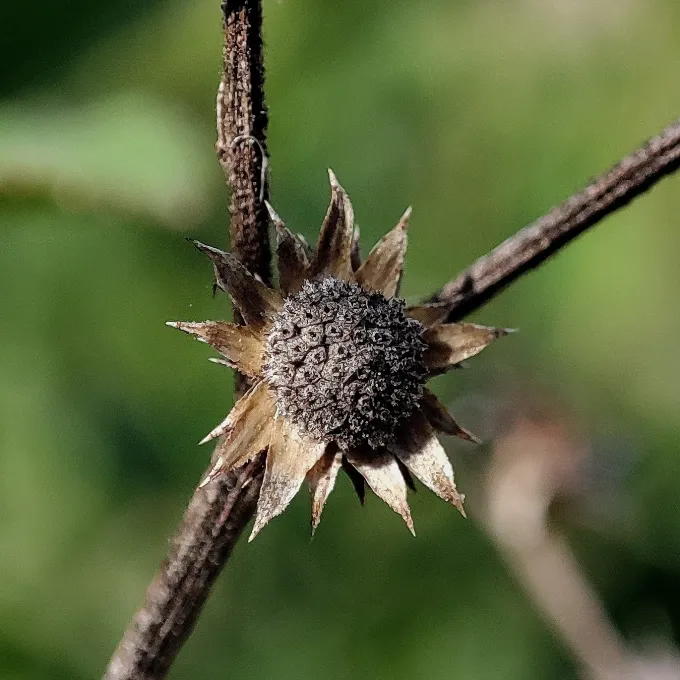
Description
Sowing dates
Vernonanthura brasiliana, a member of the Asteraceae family, is a perennial plant typically propagated via seeds during the transition from the rainy season.
Optimal sowing requires a well-prepared seedbed where the soil temperature remains consistently warm to ensure high germination rates.
Uniform spacing between plants is recommended to facilitate proper air circulation and to prevent the development of dense, unhealthy foliage.
Seeds should be covered with a thin layer of fine soil to protect them from birds and direct heat while maintaining surface moisture.
Early-stage growth benefits from consistent irrigation until the root system has become fully established in its permanent location.
Growing requirements
The plant thrives in full sun exposure, requiring open fields to maximize its photosynthetic capacity and overall biomass production.
Well-drained soils are essential for the health of Vernonanthura brasiliana, as it is highly susceptible to root rot caused by waterlogging.
Adaptability to varied tropical climates is one of its strengths, although it remains sensitive to prolonged frost or freezing temperatures.
Soil fertility can be enhanced through the application of compost or balanced mineral fertilizers to support vigorous vegetative development.
Proper land management involves maintaining soil pH levels near neutral to slightly acidic, which is optimal for nutrient uptake in this species.
Yield
As a notable honey-producing plant, it serves as a critical resource for pollinators during the flowering phase in its natural habitat.
The biomass generated by this plant is highly valued for soil enrichment practices, acting as a natural green manure for subsequent crops.
Increased productivity can be achieved through regular pruning, which encourages the growth of fresh, nutrient-rich lateral shoots.
- Potential use as a windbreak for smaller crops.
- Bioactive potential of secondary metabolites in the plant.
- Erosion control in sloping agricultural terrains.
The total annual yield is highly dependent on effective water management and timely nutrient supplementation during the vegetative peak.
Main diseases and pests
Fungal pathogens represent the primary threat to plantation health, particularly when atmospheric humidity remains consistently high for extended periods.
Pest management should focus on early identification of sap-sucking insects that can compromise the structural integrity of the stems.
Competition from aggressive invasive weeds can significantly reduce plant vigor if not controlled through manual weeding or mulching.
Vigilance against stem-boring pests is required, as they can cause irreparable damage to the vascular system of older, well-established plants.
Environmental stress, such as unseasonal drought followed by extreme humidity, can trigger metabolic disturbances within the plant.