
Vernonanthura serratuloides
Vernonanthura serratuloides
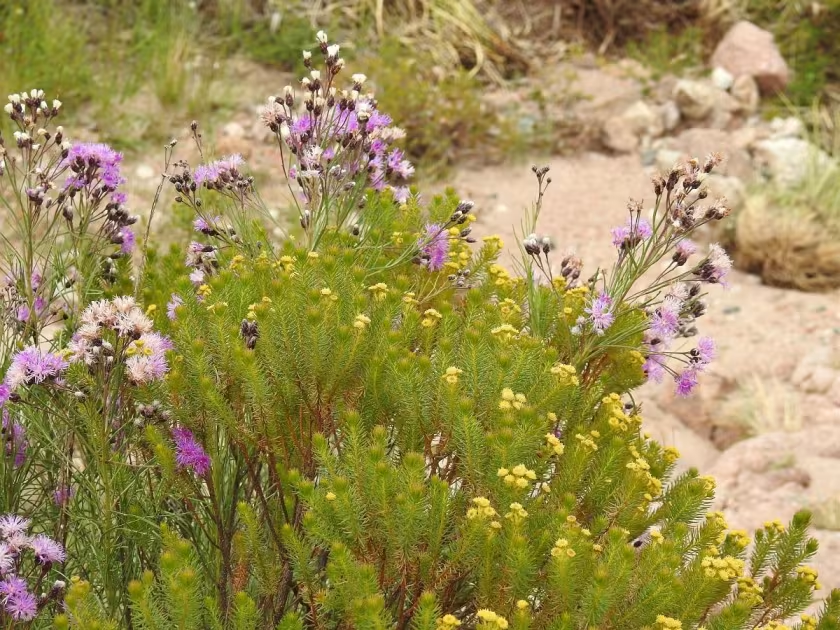
Description
Growing requirements
Vernonanthura serratuloides is a herbaceous perennial belonging to the Asteraceae family, originating primarily from the tropical and subtropical regions of South America. It is a robust plant adapted to diverse ecological niches, frequently found in habitats that provide consistent moisture and sunlight.
The cultivation of this crop requires well-drained, nutrient-rich soils that maintain a balanced structure. It thrives in sunny locations where full exposure to natural light promotes vigorous growth and enhances the development of its characteristic serrated foliage and dense inflorescences.
Regarding climate, the plant is highly sensitive to frost, which limits its outdoor production to regions with mild winters. In temperate zones, it is typically managed as a container plant or in controlled greenhouse environments to protect the root system from freezing temperatures and ensure year-round development.
Botanically, the species is defined by its erect branching pattern and small, composite flower heads arranged in terminal panicles. These structures are highly efficient at pollination, making the plant a notable contributor to local biodiversity and a valuable resource for maintaining pollinator populations.
From a utilitarian perspective, Vernonanthura serratuloides is primarily utilized in landscape architecture and as a specialized nectar source for apiculture. Ongoing research is exploring its phytochemical composition, as many plants within this genus are known to produce bioactive compounds with potential applications.
Main diseases and pests
The crop is prone to common pests like aphids, which tend to congregate on the succulent parts of the plant, including flower buds and young stems. Early intervention is necessary to prevent significant damage that could hinder the plant's aesthetic and functional value.
Fungal pathogens such as mildew can occur under conditions of poor air circulation and high humidity. Implementing proper spacing between plants and maintaining a dry surface around the base of the plant are essential cultural practices to mitigate these risks and ensure plant health.