
Vernonanthura tweedieana
Vernonanthura tweedieana
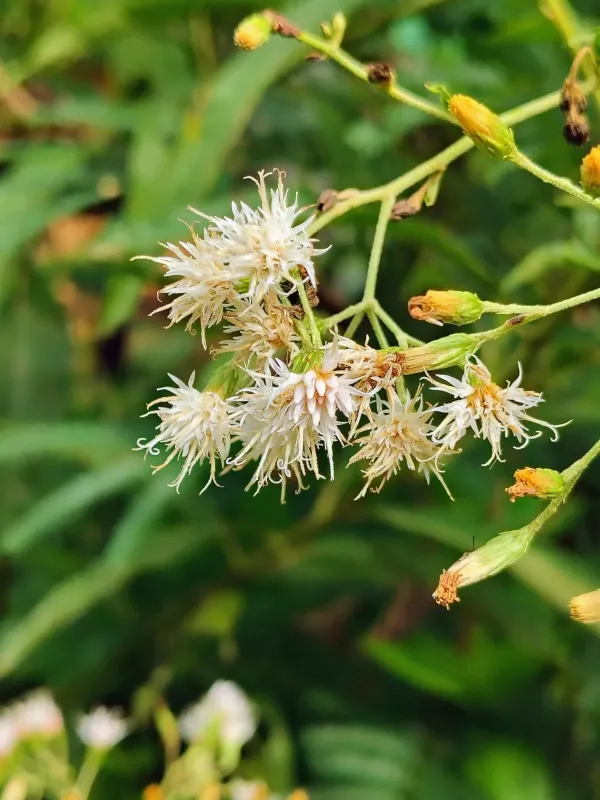
Description
Sowing dates
Vernonanthura tweedieana, belonging to the Asteraceae family, is a perennial herbaceous plant or subshrub. For successful sowing, temperature conditions must be considered: seeds require stable warmth for germination, therefore spring is considered the optimal time after the threat of frost has passed.
Sowing in open ground is carried out in rows with sufficient spacing to ensure young plants have access to light. For large-scale production, a seedling method is often used, which helps shorten the vegetation period in cooler climates.
The plant's seeds have moderate germination energy, so the soil must be carefully prepared to ensure a fine-crumbly structure. The planting depth should be minimal, as the small seeds are sensitive to the layer of soil covering them.
In its natural habitat, the plant is capable of self-seeding, but when cultivated intentionally, seeds are collected in the phase of full biological maturity when the heads begin to dry out. Storage of seeds requires humidity control to maintain high viability for the next season.
Adherence to crop rotation is a mandatory condition for maintaining soil fertility and preventing the accumulation of pathogens. It is recommended to plant Vernonanthura tweedieana after cereal crops, which leave the soil structure optimal for the development of this species' root system.
Growing requirements
The plant originates from South American regions, which determines its high requirements for light. It prefers open areas with direct sunlight for most of the day, as shading leads to stunted growth and reduced biomass.
Soil preferences include well-drained, fertile loams with a neutral or slightly acidic pH. The plant does not tolerate waterlogging, so on heavy clay soils, it is necessary to create drainage systems or raised beds.
Climatic conditions for the crop must correspond to a warm temperate or subtropical zone. Although the species has some resistance to short-term temperature fluctuations, prolonged frosts can damage the above-ground part of the plant.
Water availability is a critical factor in the first half of the vegetation period when leaf mass is actively growing. During drought periods, additional irrigation is required to prevent premature lignification of stems and loss of nutritional value.
The crop responds well to organic fertilizers, but excess nitrogen can lead to excessive vegetative growth at the expense of reproductive organ development. Mineral fertilizers with potassium and phosphorus help strengthen cell walls and increase resistance to lodging.
Yield
The agricultural use of Vernonanthura tweedieana is primarily focused on obtaining green mass, which can serve as a valuable component of animal feed. With proper agronomy, the crop can form a significant volume of vegetative mass in a single season.
Yield depends heavily on the plant density per unit area and the level of nutrient availability. In commercial plantings, adhering to optimal density allows for reaching maximum dry matter yields per hectare.
A biological feature of the plant is its ability to regenerate intensively after mowing, which allows for several cuts within one season. This quality makes the crop promising for hay production.
To evaluate productivity, regular monitoring of biomass growth is conducted. The peak of nutrient accumulation occurs in the phase before flowering begins, which is a key moment for obtaining the highest quality fodder.
The economic efficiency of cultivating this crop is determined by reduced soil tillage costs during long-term plantation use. Considering the plant's adaptability to certain soil types, profitability can vary depending on regional conditions.
Main diseases and pests
Like most members of the Asteraceae family, Vernonanthura tweedieana can be affected by specific fungal diseases, especially in high-humidity conditions. Powdery mildew is the most frequent problem, appearing as a white coating on the leaves.
Root rots can occur during systematic soil waterlogging. To combat these, agrotechnical methods are used: thinning plantings to improve aeration and preventing water stagnation in the root zone.
Pests such as aphids and various leaf beetles can damage young shoots. Monitoring for insects in the early stages allows limiting the use of pesticides and utilizing biological control methods.
Weed vegetation poses serious competition in the seedling phase. Regular inter-row cultivation helps eliminate weeds and promotes better moisture and air penetration to the roots of the crops.
Disease prevention consists of using high-quality seeds and adhering to optimal sowing dates. Timely removal of affected specimens prevents the spread of infection throughout the entire planting area.
Harvesting
Harvesting of green mass is carried out in the budding phase, when the plant contains the maximum amount of protein and vitamins. Delaying mowing leads to stem coarsening and reduced palatability for livestock.
Standard forage harvesting machinery is used for the collection, adjusted to a cutting height that ensures the preservation of growth points for subsequent regrowth. A high cut is the key to successful plantation regeneration.
The harvested mass must be quickly wilted or ensiled, as the high moisture content of fresh grass promotes rapid spoilage. Hay preparation requires favorable weather conditions with sufficient sunlight.
If seeds are required, harvesting is done later when the heads are dry and the seeds acquire their characteristic color. This process requires caution to minimize losses due to natural shattering during mechanical handling.
Post-harvest treatment of seeds includes cleaning from plant residues and mandatory drying to a moisture level that ensures long-term storage. Quality cleaning allows for improving the seeding quality of the seed stock for future seasons.