
Vernonanthura chamaedrys
Vernonanthura chamaedrys
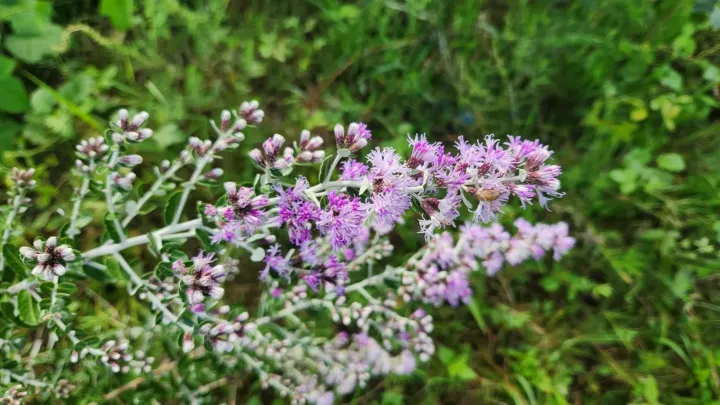
Description
Growing requirements
Vernonanthura chamaedrys is a perennial herbaceous plant belonging to the Asteraceae family. Previously classified under the Vernonia genus, it has been reclassified to better reflect its specific botanical traits. It is widely recognized for its robust growth habit and ecological adaptability in various environments.
The plant originates from the subtropical and tropical regions of South America, including Brazil, Argentina, and Uruguay. It is typically found in meadow-like habitats and open grasslands. In cultivation, it thrives in well-drained, nutrient-rich soils and is known for its ability to withstand fluctuations in environmental conditions.
Ideal growing conditions require full sun exposure, which is essential for maximizing nectar production and ensuring a dense flowering habit. The plant prefers warm climates with stable temperatures between 20 and 28 degrees Celsius. While it is hardy in its native range, it may require winter protection in colder temperate zones.
Agricultural management involves routine soil cultivation to ensure adequate aeration and the removal of competing weeds during the establishment phase. Proper spacing is crucial to prevent moisture buildup around the base of the plant, which is vital for maintaining long-term plant health and vigor.
The primary agricultural utility of Vernonanthura chamaedrys lies in its function as a late-season honey plant, providing crucial resources for pollinators. Its aesthetic appeal also makes it a valuable species for ecological landscaping and restoration projects aimed at supporting local biodiversity.
Main diseases and pests
Common plant health threats include fungal diseases such as powdery mildew, which are often exacerbated by poor air circulation and high humidity levels. Management strategies emphasize preventive cultural practices, such as maintaining optimal planting densities and ensuring proper drainage.
Pests such as aphids and spider mites can occasionally affect the foliage, particularly during dry spells. When managing these pests, it is essential to prioritize integrated pest management techniques to avoid harming beneficial pollinators, as the plant is highly valued for its nectar yield.