
Vernonanthura patens
Vernonanthura patens
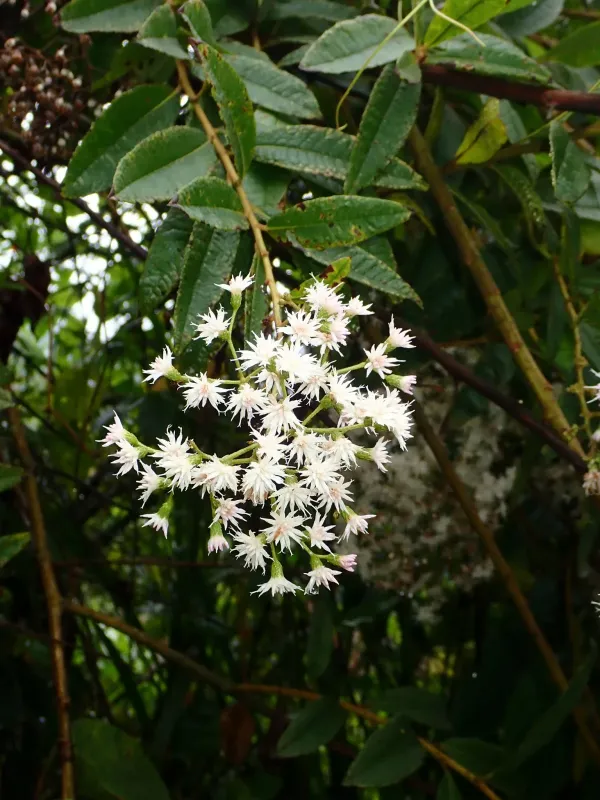
Description
Sowing dates
Vernonanthura patens, a member of the Asteraceae family, is a perennial plant known for its significant ecological value. It is native to tropical and subtropical regions of the Americas.
Sowing should take place in early spring once the threat of frost has passed and soil temperatures consistently exceed 15°C. Seeds require minimal soil coverage to ensure proper germination due to their light-dependent nature.
In field production, rows are typically spaced between 50 and 70 centimeters apart. This spacing facilitates mechanical weeding and ensures adequate airflow throughout the growth cycle.
Seedlings raised in greenhouses often exhibit higher rates of establishment. Transplanting should be done carefully to avoid disturbing the sensitive root structure of young plants.
The establishment phase requires diligent monitoring of soil moisture. Consistent irrigation until the root system is well-developed significantly improves crop uniformity.
Growing requirements
This species thrives in well-drained, fertile soil. It performs best in soils with a pH ranging from 6.0 to 7.0, which allows for optimal nutrient uptake and root development.
Vernonanthura patens is highly heliophilic and requires full sun exposure for at least 6-8 hours daily to reach its full physiological potential and maximize flower production.
While the plant shows moderate drought tolerance once established, it requires consistent moisture during periods of rapid vegetative growth to avoid premature flower senescence.
Maintaining a weed-free environment during the first season is critical. Manual or mechanical cultivation between rows helps preserve soil porosity and enhances nutrient availability.
Fertilization regimes should focus on balanced NPK ratios, with additional emphasis on phosphorus during the transition to the flowering stage to support inflorescence quality.
Main diseases and pests
Powdery mildew represents the most significant fungal threat, especially in humid conditions with poor circulation. Keeping plant density moderate is a primary cultural control method.
Aphid infestations are common during the early spring growth flush. These pests congregate on tender shoots and can transmit viral diseases if not managed promptly.
Root rot, caused by excessive soil saturation, is a frequent issue in improperly drained fields. Proper site selection is the best preventative measure against this threat.
Leaf-chewing insects may cause cosmetic and physiological damage. Monitoring for larval presence is advised during the peak of the growing season to prevent extensive defoliation.
Integrated pest management strategies are recommended, prioritizing biological controls over broad-spectrum insecticides to preserve beneficial pollinators and natural enemies.