
Vernonanthura discolor
Vernonanthura discolor
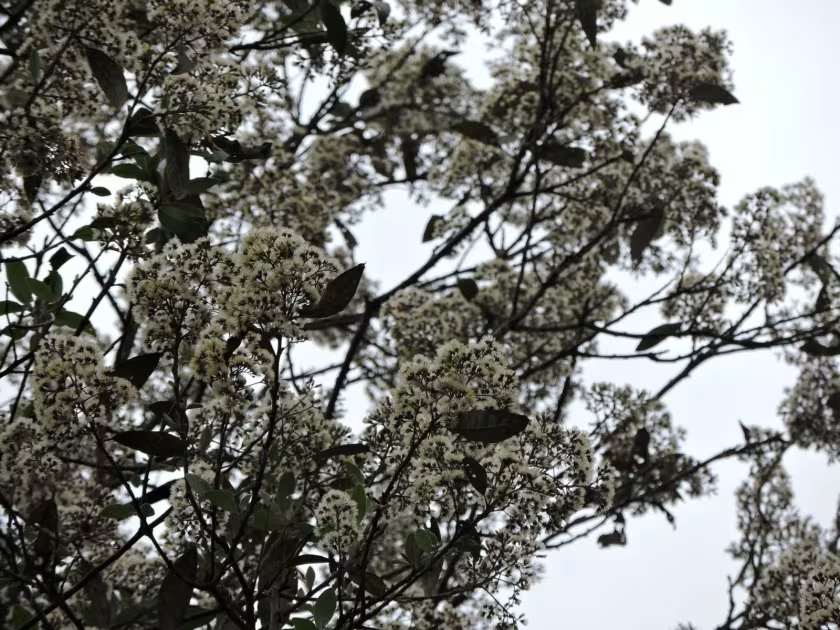
Description
Growing requirements
Vernonanthura discolor is a perennial shrub or small tree belonging to the Asteraceae family. Native to South America, particularly Brazil and Argentina, it thrives in warm tropical and subtropical environments.
The plant is distinguished by its unique foliage, where leaves exhibit a two-toned appearance (discolorous): dark green on the upper surface and whitish-tomentose on the underside. This adaptation allows for efficient water retention and light regulation.
Cultivation requires well-drained, fertile soil. While the species is relatively adaptable, it is intolerant of waterlogged conditions and requires areas with good air circulation to maintain health and prevent root suffocation.
In agricultural practice, this plant is primarily valued as a significant nectar source. It plays a vital role in apiculture by providing substantial nectar flow during its peak blooming season.
Further research into its chemical composition highlights the presence of secondary metabolites, including sesquiterpene lactones, suggesting potential applications in both agricultural and pharmaceutical industries.
Main diseases and pests
The primary threats to Vernonanthura discolor involve common greenhouse and field pests, such as aphids and spider mites, which can cause significant damage to the plant's leaf structure.
Fungal pathogens, particularly those causing powdery mildew and various leaf spot diseases, pose a risk when environmental conditions are excessively humid.
Integrated Pest Management (IPM) strategies are highly recommended to minimize the impact of these pests while preserving the beneficial insect population necessary for pollination.
Monitoring for signs of wilting or discoloration on the foliage is essential, as these often serve as early indicators of nutrient deficiency or root pathogen development.
Maintaining a clean growing environment and ensuring proper spacing between plants is the most effective cultural practice to prevent the spread of diseases and pests.