
Vernonanthura westiniana
Vernonanthura westiniana
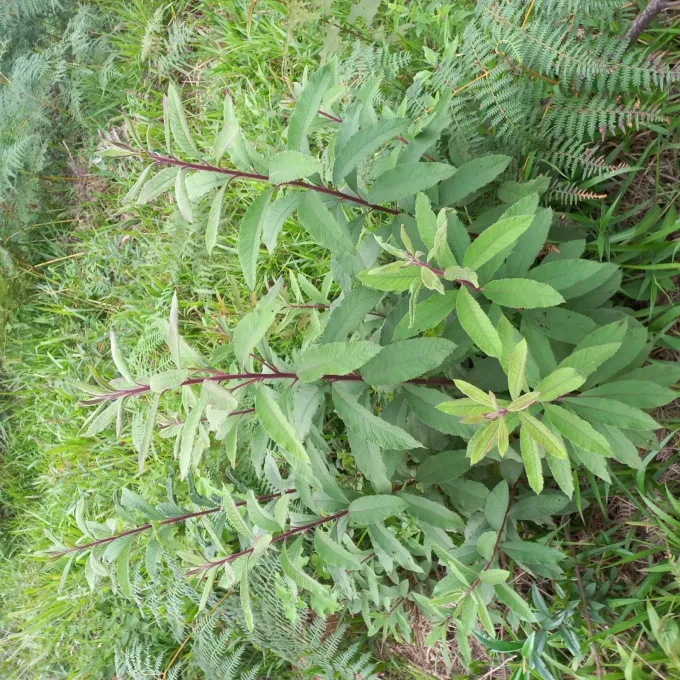
Description
Growing requirements
Vernonanthura westiniana is a perennial plant species belonging to the Asteraceae family. It is native to the tropical regions of South America, specifically in parts of Brazil where it grows in diverse ecosystems.
This crop requires well-drained, nutrient-rich soils to thrive. It performs best in environments with moderate humidity and high sunlight exposure, which stimulates the production of secondary metabolites in its biomass.
Botanically, the plant is recognized as a shrub-like perennial with alternate leaves and clustered inflorescences typical of the genus. Its architecture allows for efficient biomass harvesting if managed correctly within a sustainable rotation system.
The climate requirements for this species are strict, as it prefers warm, stable conditions. It is not cold-hardy, and prolonged exposure to freezing temperatures can lead to tissue necrosis and significant loss of plantation vigor.
The primary agricultural interest in Vernonanthura westiniana lies in its pharmaceutical properties. The plant is studied for its chemical profile, which includes active compounds useful in traditional and modern medicinal applications.
Main diseases and pests
Root diseases are the most critical threat to Vernonanthura westiniana plantations, especially in poorly drained soils. Pathogenic fungi thrive in waterlogged conditions, making proper irrigation scheduling a vital management task.
Aphids and mites are the most common pests reported on this crop. They can quickly infest young shoots and leaves, reducing the photosynthetic capacity of the plant and necessitating immediate pest control actions.
Powdery mildew is a common fungal threat that appears during periods of high ambient humidity and poor ventilation. Keeping a proper planting distance is essential to facilitate air movement around the plants.
Nematode infestations can lead to stunted growth and yellowing of foliage. Soil testing and the implementation of appropriate crop rotation are standard practices to prevent the buildup of soil-borne pathogens.
Integrated Pest Management (IPM) strategies are recommended to maintain the crop health. These include regular scouting, the use of resistant varieties when available, and the judicious application of natural or synthetic pesticides.