
Vernonanthura montevidensis
Vernonanthura montevidensis
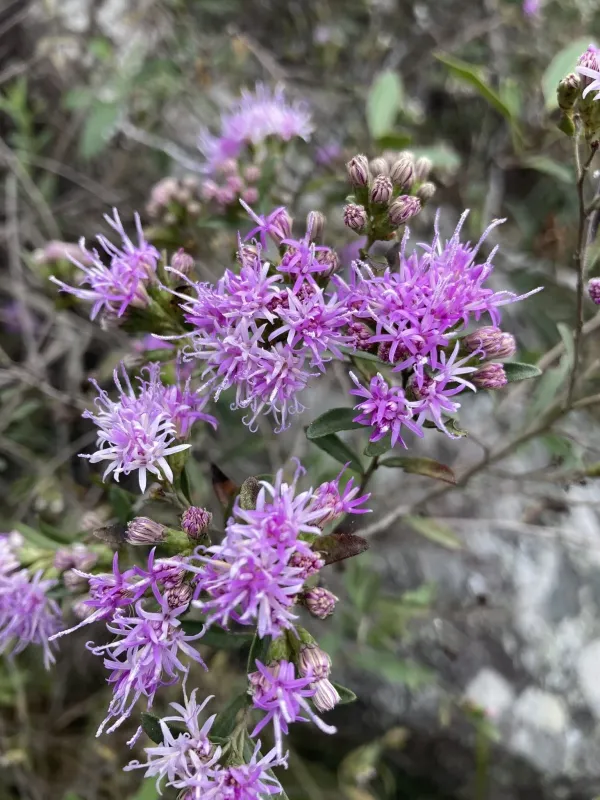
Description
Sowing dates
The propagation of Vernonanthura montevidensis is primarily achieved through seeds or vegetative division. Sowing should be initiated in the spring once the soil temperature is consistently above the freezing point to ensure uniform germination.
For industrial-scale cultivation, seeds are sown in rows spaced 50 to 70 centimeters apart. This spacing is essential for facilitating mechanized field management and ensuring that each plant receives adequate sunlight.
When starting from transplants, seeds are sown in protected greenhouse environments during late winter. This practice allows for a more controlled development phase before seedlings are hardened off and transplanted into the open field.
The depth of sowing is critical; seeds should be covered with only a very thin layer of soil because light is necessary for successful germination. Light compaction of the soil surface after planting helps improve moisture retention.
Plant density should be optimized based on the intended use, whether for biomass production or seed harvesting. Maintaining a density of approximately 4 to 6 plants per square meter is generally considered ideal for optimal yields.
Growing requirements
Vernonanthura montevidensis belongs to the Asteraceae family and is a robust perennial herb. It thrives best in locations with full sun exposure, as shaded conditions typically result in weaker, leggy growth and reduced flowering potential.
The crop is adaptable to a variety of soil types but performs best in well-drained, fertile loamy soils. Avoiding areas prone to waterlogging is essential, as the root system is sensitive to prolonged saturated soil conditions.
Climatic requirements are centered on moderate temperature regimes. While the plant is quite hardy, it shows superior vigor in regions with long growing seasons, which allows it to reach full maturity and peak nectar production.
Soil fertility management, particularly the inclusion of organic matter, significantly boosts vegetative growth. While the plant possesses a degree of drought tolerance, supplemental irrigation during extreme dry spells ensures sustained health.
Maintenance involves routine cultivation between rows to eliminate weed competition during the early growth stages. This ensures that the crop captures a greater share of available soil nutrients and moisture.
Yield
The primary agricultural utility of Vernonanthura montevidensis lies in its role as a prolific honey plant. It provides an important nectar source during the late season, supporting bee colonies in preparation for the winter months.
Nectar yield is highly dependent on overall crop health and localized weather conditions. The richness of the nectar makes it a highly valuable resource for beekeepers looking to extend the forage season.
Beyond its value in apiculture, this species is increasingly explored as a source of biomass. Its capacity for rapid regrowth following harvesting makes it a sustainable candidate for organic mulching or green manure.
Seed harvest should be timed carefully once the flower heads have fully matured and begun to darken. Efficient harvesting techniques are necessary to prevent losses due to seed shattering in the field.
Productivity can be sustained over multiple years by performing rejuvenation pruning. Cutting back older stems encourages the development of new, more vigorous shoots that increase the plant's long-term output.
Main diseases and pests
Vernonanthura montevidensis is generally resistant to many common pests; however, it remains susceptible to fungal diseases in high-humidity environments. Powdery mildew is the most frequent issue encountered in poorly ventilated stands.
Insect pests, including aphids, may occasionally infest young foliage. Management strategies should prioritize biological controls to ensure the safety of the honey produced by visiting bees.
Root rot represents a serious threat primarily caused by improper watering techniques or heavy, poorly drained soil. Maintaining soil structure and proper drainage is the most effective preventative measure.
- Implement crop rotation to reduce soil-borne pathogen populations.
- Perform regular inspections to detect signs of stress or infestation.
- Improve airflow through proper row spacing to minimize fungal risks.
- Remove and safely destroy any plants showing early symptoms of disease.
Balanced fertilization, with a focus on avoiding excessive nitrogen, helps maintain strong plant cell walls. This structural integrity is vital for preventing the entry of pathogens and ensuring overall plant resilience.