
Vernonanthura polyanthes
Vernonanthura polyanthes
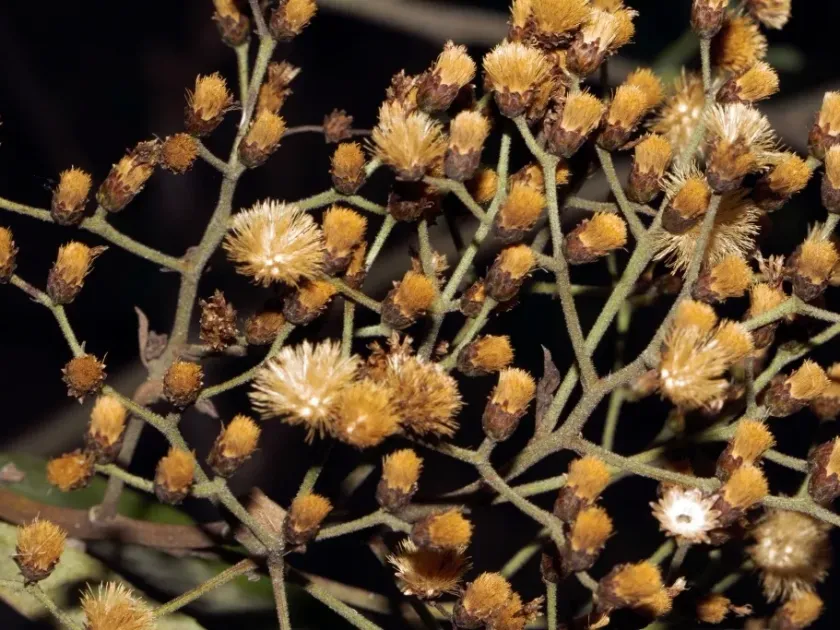
Description
Growing requirements
Vernonanthura polyanthes is a perennial shrub belonging to the Asteraceae family. Known for its vigorous growth and rapid development, it is increasingly recognized as a significant crop in regions with suitable subtropical conditions.
The plant thrives in well-lit, sunny areas with permeable, well-drained soil. It exhibits high adaptability to various soil types, although its performance is optimized in neutral to slightly acidic soils where nutrient availability is balanced.
Regarding climate, this species requires a frost-free environment to maintain steady growth. It is well-suited for regions with seasonal rainfall patterns, proving resilient even in periods of moderate water stress after the establishment of the root system.
Agrotechnical practices focus on crown management through periodic pruning. This intervention not only maintains the physical structure of the crop but also promotes the production of new flowering branches, which are essential for its nectar-producing capabilities.
The primary economic use of this crop is its role in apiculture as a high-yield late-season honey source. Additionally, the plant is a subject of pharmacological research due to its secondary metabolites, which exhibit promising therapeutic properties.
Main diseases and pests
Fungal pathogens affecting the root zone are the most significant threat, particularly in poorly drained environments. Ensuring soil aeration is the most effective preventative measure for long-term crop health.
Pests such as aphids and scale insects commonly target the tender foliage and young stems. Regular monitoring of the canopy is essential for early detection, ensuring that infestation levels do not significantly impact the overall biomass yield.