
Vernonanthura ferruginea
Vernonanthura ferruginea
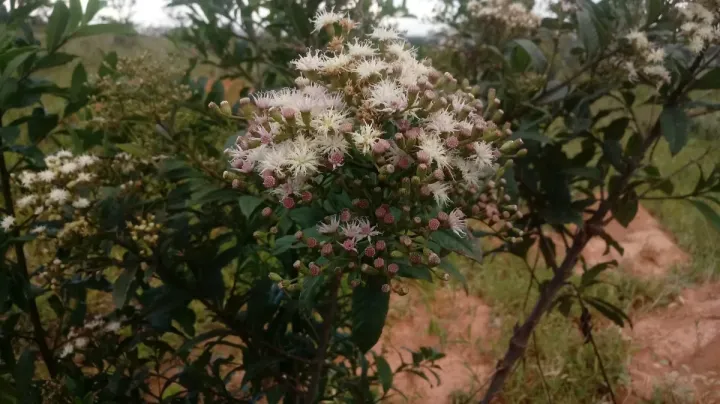
Description
Growing requirements
Vernonanthura ferruginea is a distinct species within the Asteraceae family. Originating from South America, it thrives in tropical and subtropical climates, showcasing high resilience to local environmental stresses.
The plant is widely recognized for its botanical uniqueness, specifically the ferruginous, or rust-colored, tomentose leaves that serve as a natural adaptation mechanism.
In terms of agricultural requirements, it favors well-draining soils with moderate fertility. While the species is quite hardy, consistent access to sunlight is vital for stimulating the nectar production cycle.
Cultivation practices focus on ensuring sufficient space between individual shrubs to promote air circulation, which is crucial for preventing humidity-related issues in dense canopies.
Economically, this species is highly valued in apiculture. It is considered an excellent nectar source, providing sustenance for honey bees during critical seasonal periods when other forage is scarce.
Main diseases and pests
Fungal pathogens represent the primary biological threat to Vernonanthura ferruginea, particularly in high-humidity zones where leaf spot diseases can develop rapidly.
Insect pests such as leaf-miners and various hemipterans can target the foliage, causing significant stress to young plants and reducing their reproductive capacity.
Integrated Pest Management (IPM) is strongly encouraged to protect the pollinators that frequently visit the flowers of this plant.
Avoiding synthetic pesticide application during the peak blooming stage is mandatory to preserve the quality of the honey and the health of the hive colonies.
Regular sanitation measures, including the removal of dead or infected branches, help maintain the overall vigor and disease resistance of the plantation.