
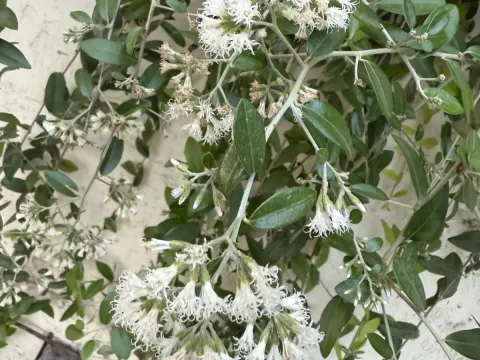
Tarlmounia
Tarlmounia
Tarlmounia (genus Tarlmounia) is a distinctive genus of plants belonging to the Asteraceae family. These plants are known for their specific morphological traits and have been studied for their potential utility in various agricultural and botanical applications.
What the section contains

Tarlmounia
Originating from regions in Southeast Asia, this culture is adapted to tropical and subtropical climates. It thrives in environments with consistent rainfall and warm temperatures, which are essential for maintaining steady growth rates throughout the year.
The plant requires well-drained, nutrient-rich soil to support its root system development. Optimal growing results are achieved in soils with a balanced pH level, ensuring the availability of essential macro and micronutrients for the plant's metabolic processes.
Agronomic practices for Tarlmounia involve consistent irrigation management to prevent water stress while avoiding waterlogging. Regular weeding and the application of organic mulch help maintain soil moisture levels and improve overall soil structure.
The economic value of this crop is primarily focused on its biochemical properties, which are of interest to the pharmaceutical and cosmetics industries. Selective breeding and proper cultivation techniques are used to maximize the yield of desired secondary metabolites.
The primary threats to Tarlmounia cultivation are fungal diseases, which tend to proliferate in conditions of high humidity and poor air circulation. Root rot and leaf spot are common issues that require prompt intervention and proper farm management.
Insect pests, particularly mites and aphids, pose a significant risk by damaging plant tissue and interfering with nutrient transport. Regular scouting of the field is crucial to detect early signs of infestation and prevent widespread damage.
Management strategies include the integrated use of cultural and chemical controls. Maintaining proper plant spacing is essential for air circulation, which naturally discourages the growth of many pathogens and limits the spread of pests.
Integrated Pest Management (IPM) practices, including the use of resistant varieties and natural predators, are recommended to maintain plant health. This approach reduces the need for synthetic chemicals and promotes long-term ecological stability.
Sanitation of agricultural equipment and the removal of crop residues are vital steps in disease control. Keeping the field clean helps eliminate overwintering sites for various pests and pathogens, ensuring a more productive growing season.