
Tessaria integrifolia
Tessaria integrifolia
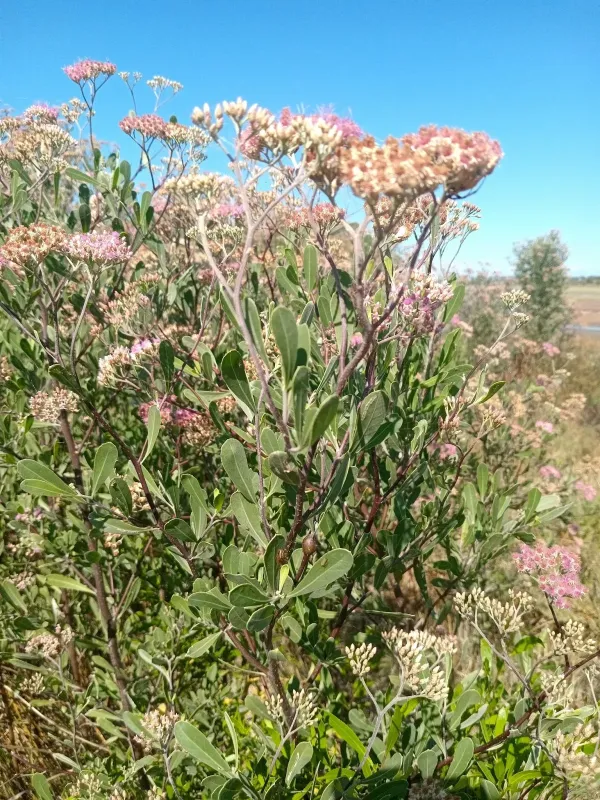
Description
Sowing dates
Tessaria integrifolia, a member of the Asteraceae family, is a notable fast-growing woody species. In its natural habitat, the plant propagates through wind-dispersed seeds, which allows it to colonize alluvial soils effectively after flood events.
In forestry and agricultural nurseries, propagation can also be achieved through vegetative cuttings. This method ensures the uniformity of the plantation, which is essential for systematic management and predictable biomass harvesting.
The optimal planting time for seedlings usually aligns with the period following seasonal floods, when nutrient-rich silt is deposited along riverbanks. This environment provides the ideal substrate for rapid root establishment.
Natural regeneration is a key characteristic of the species, often outcompeting other vegetation on newly formed sandbars. For commercial plantations, however, site preparation is required to manage plant density.
Proper spacing is crucial to prevent early-stage competition among saplings. Maintaining an appropriate density helps in achieving better vertical growth and timber quality during the short rotation cycle of the crop.
Growing requirements
Tessaria integrifolia is a true hydrophyte that thrives in areas with consistent moisture availability. Its natural distribution is largely restricted to river corridors and low-lying areas characterized by high water tables.
The crop requires nutrient-rich alluvial soils, which are continuously replenished by seasonal sediment deposition. These soils must possess good water-holding capacity while remaining well-aerated to prevent root rot.
The plant is highly heliophilic, meaning it requires full sunlight to achieve maximum growth rates. Significant shading from taller canopy trees can severely limit the accumulation of biomass and alter the plant's structural development.
The ideal climate is subtropical to warm-temperate, with moderate winters. The species is highly sensitive to prolonged drought conditions, as its physiology is tightly linked to high rates of transpiration and water uptake.
Management practices should include monitoring the hydrological regime of the site. Avoiding soil compaction and ensuring the free flow of groundwater are fundamental for maintaining the health and productivity of the plantation.
Yield
The primary agricultural output of Tessaria integrifolia is woody biomass. Its rapid growth rate makes it a valuable candidate for short-rotation forestry aimed at pulp and paper production or raw timber material.
Due to its light and relatively soft wood, the species is also explored as a renewable source for bioenergy. The conversion of biomass into energy is a significant focus of current research regarding its industrial utility.
Beyond raw production, the crop serves an essential ecological function in soil conservation. Its extensive root system effectively stabilizes riverbanks, preventing erosion and preserving soil structure in fragile landscapes.
In some regions, the plant is integrated into protective buffer strips. These strips serve to mitigate the impact of wind and runoff on adjacent agricultural fields, contributing to a more stable microclimate.
Harvesting strategies typically involve short intervals, allowing for multiple rotations. This management approach ensures a consistent supply of biomass while supporting the ecological vitality of the riverine corridors.
Main diseases and pests
The main threats to plantations include fungal pathogens that thrive in stagnant water conditions. Poor drainage or waterlogging can lead to root system decay, significantly reducing the lifespan and timber value of the trees.
Insects, particularly specialized leaf-eating larvae, can cause significant defoliation during peak summer months. Regular phytosanitary monitoring is essential to detect outbreaks and prevent widespread damage.
Competition from invasive plant species can hinder the establishment of young stands. A proactive weed control strategy is necessary during the first few years of the plantation's development to ensure rapid growth.
Environmental stressors, such as extreme heatwaves or unseasonable dry spells, can render the plants vulnerable to secondary infections. Maintaining soil moisture is the primary defense against such physiological stressors.
Ecological management emphasizes the use of biological control methods over chemical interventions. Given the plant's proximity to waterways, sustainable management practices are crucial to protect the surrounding aquatic environment.