
Tessaria absinthioides
Tessaria absinthioides
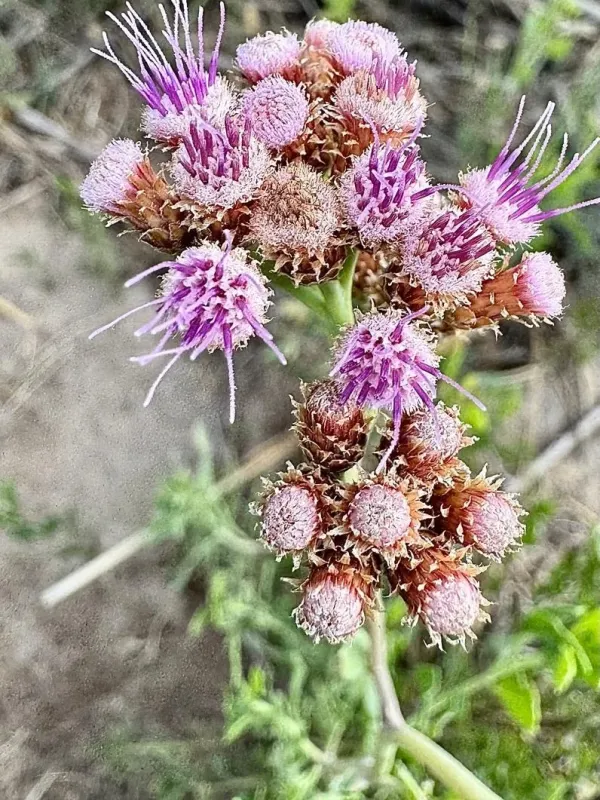
Description
Growing requirements
Tessaria absinthioides is a perennial shrub belonging to the Asteraceae family, native to the diverse landscapes of South America. It is commonly found in regions ranging from Chile to Argentina, thriving in environments that are often hostile to conventional crops.
The plant is biologically characterized by its silvery-green foliage, which provides it with drought resistance and a distinct aesthetic appeal. It typically grows in clumps, forming dense thickets that serve as structural stabilizers for sandy and saline soils.
Regarding soil and climate requirements, Tessaria absinthioides is highly salt-tolerant and prefers areas with periodic moisture, such as floodplains or coastal zones. It does not require intensive fertilization, making it a low-input species for land reclamation purposes.
Agricultural management of this crop involves managing existing natural stands rather than establishing traditional plantations. Farmers in its native range often rely on these plants as a supplemental feed source for livestock when higher-quality pasture grasses are unavailable.
Beyond its feed value, the shrub contributes to the local economy as a honey-producing plant. Its ability to colonize degraded lands also makes it a subject of interest for environmental restoration projects seeking to prevent soil erosion.
Main diseases and pests
Tessaria absinthioides is generally resistant to most agricultural pests, benefiting from the secondary compounds in its tissues that discourage herbivory. However, localized infestations of aphids can occur during the peak of the growing season.
The main threat to its health is associated with excessive waterlogging if the soil structure becomes anaerobic for extended periods. This can lead to root degradation and eventually result in the death of the shrub.
Overgrazing poses a significant challenge to the vitality of the plant. If livestock consume the young, tender shoots continuously, the shrub's ability to regenerate its biomass is severely compromised.
There are no specific fungal or bacterial diseases that cause large-scale economic damage to this crop, as it has evolved under harsh environmental pressures, granting it inherent robustness.
Proper field management focuses on maintaining a balance between harvestable biomass and ecological stability, ensuring that the plant continues to thrive in its native habitat without succumbing to external stressors.