
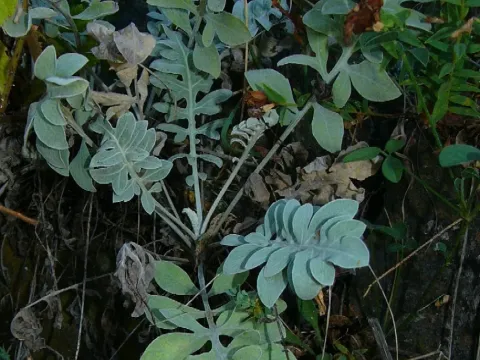
Bull Cornflower
Centaurea bovina
The Bull Cornflower (Centaurea bovina) is a perennial herbaceous plant belonging to the Asteraceae family. Sowing is best carried out in early spring when the soil temperature consistently reaches 10-12 degrees Celsius.
What the section contains
Bull Cornflower
Seeds should be placed at a depth of approximately 2-3 centimeters. Achieving good seed-to-soil contact is essential for uniform germination, especially in drier spring conditions common in many regions.
Row spacing should ideally be maintained between 30 and 45 centimeters. This distance provides enough space for the plants to grow vigorously while allowing for easy mechanical weed control during the early stages.
The recommended seeding rate varies, but generally, 8-12 kilograms per hectare are sufficient to establish a proper stand. Proper calibration of equipment is necessary to ensure even distribution of the seeds across the field.
Since the crop grows relatively slowly during its initial development, it is vital to keep the field free of invasive weeds. Careful site selection and pre-seeding preparation significantly impact final crop density.
Bull Cornflower thrives in well-lit, open areas and is highly tolerant of direct sunlight. It prefers fertile, structural soils but is known for its ability to adapt to a wide range of soil conditions, including medium loams.
The plant has moderate water requirements and is quite drought-tolerant once established. However, it is sensitive to waterlogged conditions, so adequate soil drainage is a prerequisite for successful cultivation.
Fertilization should be balanced, with an emphasis on potassium and phosphorus to support root strength and overall resilience. Excess nitrogen can sometimes lead to overly vegetative growth at the expense of reproductive output.
The species is known for its excellent winter hardiness. It can withstand the harsh winter temperatures typical of temperate zones without the need for special protective measures for the roots.
Regular cultivation of the inter-row spaces is recommended to break up soil crusting and improve aeration. This practice also helps in moisture retention, which is critical for healthy plant development during summer months.
Powdery mildew is the most common fungal disease affecting the crop, particularly in high-humidity climates or areas with poor air circulation. Selecting a site with good breeze exposure can help reduce risks.
Pests such as aphids can cause localized damage to foliage. Early detection through regular field scouting allows for targeted interventions, minimizing the need for broad-spectrum insecticide applications.
Root-related issues can arise if crop rotation protocols are ignored, leading to the buildup of soil-borne pathogens. A minimum 3-year rotation cycle is recommended to maintain field hygiene.
Integrated pest management strategies are preferred, emphasizing the use of beneficial insects and disease-resistant plant management. Always ensure that the seeds used are certified and free from contaminants.
To prevent disease spread, avoid excessive planting densities. Proper spacing not only encourages healthy individual plant growth but also ensures that fungicides or other protective treatments can penetrate the canopy effectively.