
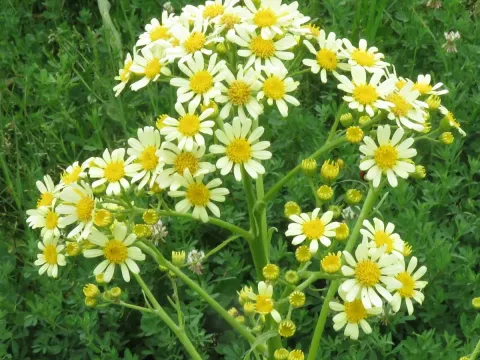
Buenos Aires groundsel
Senecio bonariensis
Buenos Aires groundsel (Senecio bonariensis) is a perennial herbaceous plant belonging to the Asteraceae family. Known for its distinct adaptation to temperate landscapes, it is valued for its resilience and unique growth habit in both wild and cultivated settings.
What the section contains
Buenos Aires groundsel
Originating from the Buenos Aires region of Argentina, this plant is naturally suited to open, sunlight-rich environments. Its distribution in agricultural and landscape contexts relies on replicating these climatic conditions to ensure vigor and productivity.
The crop thrives in well-drained, sandy-loam soils that prevent water saturation. Proper soil preparation is essential, as the species is highly sensitive to root asphyxiation caused by waterlogged conditions common in heavy clay textures.
Regarding climate, the plant prefers areas with moderate temperatures and extended daylight hours. While it demonstrates significant drought tolerance once established, maintaining a consistent moisture level during the initial growth stages is vital.
In terms of agricultural use, Senecio bonariensis is primarily utilized in ornamental horticulture and xeriscaping. It acts as an excellent candidate for regions requiring low-maintenance vegetation that can withstand fluctuating seasonal weather.
Fungal diseases represent the most significant threat to this crop, particularly in high-humidity climates. Powdery mildew is the most common issue, appearing as a dusty white growth on leaves and stems, requiring immediate fungicide application.
Root rot pathogens, such as Pythium and Phytophthora, pose a major risk when soil drainage is inadequate. Managing water delivery is the primary defense strategy to prevent these destructive soil-borne infections.
Insect pests include various species of aphids that congregate on soft, newly developed tissues. These infestations can significantly weaken the plant and serve as vectors for secondary pathogens if left untreated.
Spider mites are common in dry, hot conditions and can cause significant foliage damage if moisture levels drop too low. Periodic monitoring and increasing relative humidity can help reduce the impact of these microscopic pests.
Effective management involves an integrated approach, utilizing cultural practices such as spacing for air circulation and chemical interventions only when necessary to preserve plant health and aesthetic quality.