
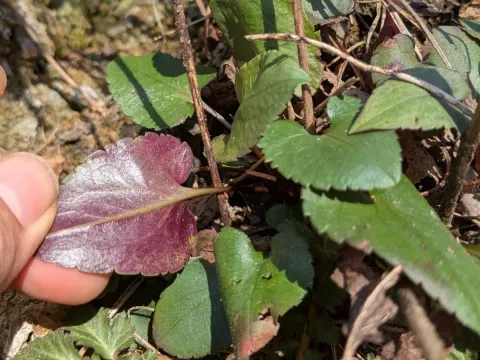
Blue wood aster
Symphyotrichum cordifolium
Blue wood aster (Symphyotrichum cordifolium) is commonly propagated via seeds or by dividing established clumps. Sowing seeds outdoors during autumn allows for natural cold stratification.
What the section contains
Blue wood aster
For indoor propagation, seeds should be sown in late winter or early spring using a well-draining seed-starting mix. Maintain consistent moisture until germination occurs.
Transplanting seedlings to the garden should be done after the risk of frost has passed. It is crucial to settle the soil around the roots to ensure good contact and rapid establishment.
Division of mature plants is best performed every three to four years during the dormant period, either in early spring or early autumn, to maintain plant vigor.
Proper spacing is essential to allow for adequate airflow between plants, which helps prevent foliage diseases as the aster matures throughout the season.
This species belongs to the Asteraceae family and is highly adaptable to various growing environments, thriving best in organic-rich, moist, and well-draining soil.
Blue wood aster performs exceptionally well in partial shade or dappled sunlight, making it an excellent choice for woodland garden settings or understory planting.
The plant requires moderate watering, especially during prolonged dry spells. However, it is sensitive to waterlogged conditions which can lead to root rot.
General-purpose fertilizers can be applied in early spring to support vegetative growth. Over-fertilization should be avoided to prevent leggy growth and reduced flowering.
Mulching the base of the plant helps to conserve soil moisture and suppress weed development, creating an optimal environment for the root system to spread.
Powdery mildew is the most common concern for this plant, particularly in areas with high humidity and stagnant air circulation during the late summer months.
Common pests include aphids and spider mites, which typically feed on the underside of leaves. Integrated pest management techniques are recommended for effective control.
Root rot caused by poor soil drainage remains a significant risk. Ensuring a well-prepared site with sufficient drainage layers is the primary method of prevention.
Rust fungi may occasionally affect foliage. Removing infected leaves and disposing of them away from the garden can significantly limit the spread of the pathogen.
Regular monitoring and sanitation practices, such as clearing plant debris in late autumn, are vital to maintaining a healthy and disease-resistant aster patch.