
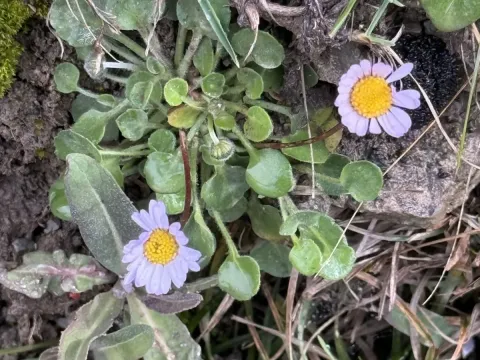
Blue daisy
Bellis caerulescens
Bellis caerulescens, commonly known as the blue daisy, is a perennial flowering plant within the Asteraceae family. Unlike common daisies, this species is noted for its distinct blue to lilac-toned flowers, which provide a unique aesthetic value in horticulture.
What the section contains
Blue daisy
The plant originates from the mountainous regions of North Africa, specifically Morocco. Its evolutionary background in alpine environments makes it highly adapted to rocky substrates and specific temperature regimes that require attention during cultivation.
Successful growth requires well-drained, sandy, or stony soil conditions. Clay-heavy soils can be detrimental, as the plant's root system is sensitive to waterlogging and demands excellent aeration to prevent root rot.
Optimal site selection involves choosing areas with full sun exposure. While the plant can tolerate light partial shade, excessive shadow results in elongated, weak stems and a significant reduction in the intensity of flower pigmentation.
Agricultural practices for this crop focus on moderate watering. It is essential to allow the top layer of the soil to dry out between irrigation cycles to ensure the long-term health and vigor of the herbaceous rosette.
Root rot and crown rot represent the primary pathological threats, usually triggered by poor drainage or excessive soil moisture. These diseases are particularly dangerous in cool, damp climatic conditions.
Powdery mildew can affect the foliage during periods of high humidity and poor air circulation. Proper spacing between individual plants is a critical preventive measure to maintain airflow and manage spore spread.
Slugs and snails are the most common pests, causing significant damage to the leaf rosettes. They are especially attracted to succulent foliage and can be particularly destructive in the early stages of plant establishment.
Aphids may occasionally infest the developing flower buds, resulting in deformed blossoms and reduced seed production. Monitoring is recommended, especially during the peak of the flowering season.
Effective management includes regular sanitation of the planting area and the use of physical or organic barriers to deter gastropods. In severe cases, targeted treatments may be applied to preserve the health of the crop.