
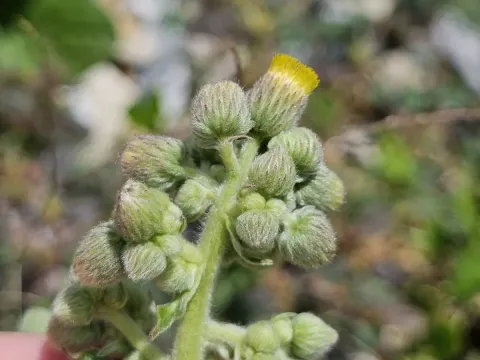
Blumea lacera
Blumea lacera
Blumea lacera is a tropical annual plant, making its sowing schedule heavily dependent on regional climate conditions. In tropical regions, sowing is conducted at the beginning of the rainy season when soil moisture is sufficient to support the germination of tiny seeds.
What the section contains
Blumea lacera
Successful germination requires stable ambient temperatures ranging between +22 and +28 degrees Celsius. Surface sowing is highly recommended, as the seeds are extremely fine and require light exposure to trigger germination processes.
In commercial settings, seeds are often sown in nursery beds to maintain precise control over seedling density. The optimal planting pattern involves row spacing of 40–50 centimeters to ensure adequate ventilation for the developing plants.
When cultivated in temperate climates, seeds are sown in protected environments 6–8 weeks before the onset of sustained warmth. Transplanting to open fields should only occur after any risk of frost has passed completely.
Creating a fine tilth soil structure is a crucial factor during sowing. The soil surface should be lightly rolled after seed distribution to improve contact between the seeds and the moist soil substrate.
As a member of the Asteraceae family, this plant has high insolation requirements, preferring open areas with direct sunlight. Shaded locations result in a significant decrease in the concentration of essential oils within the foliage.
Blumea thrives best in light, well-drained loams with a neutral to slightly acidic pH level. Waterlogging in the root zone is detrimental to the crop, as it quickly triggers decay and root rot processes.
The plant is heat-loving and does not tolerate sudden temperature fluctuations. Optimal moisture management involves regular irrigation without oversaturating the soil, particularly during the active vegetative growth phase.
While the plant is not overly demanding regarding soil fertility, applying moderate doses of organic fertilizers facilitates intensive development of the leaf rosette. Keeping the field free from weeds during the early stages of growth is essential.
Soil aeration plays a key role in developing a healthy root system. Regular inter-row cultivation helps prevent the formation of soil crusts, which can impede gas exchange and restrict the emergence of new, healthy lateral shoots.
The commercial value of Blumea lacera lies in its high-quality essential oil, which contains borneol and other valuable terpenoids. The yield of green biomass depends heavily on the intensity of agronomic practices and light exposure.
Maximum biomass output is observed when the plant is harvested just before the onset of the mass flowering phase. During this period, the concentration of volatile organic compounds in the leaves and stems reaches its peak.
On average, commercial cultivation yields 10–15 tons of raw aerial biomass per hectare, provided that planting density is maintained. After the drying process, the weight of the raw material reduces by approximately 3 to 4 times.
Essential oil yield via steam distillation typically ranges from 0.2 to 0.5 percent of the fresh biomass weight. Optimizing harvest timing allows for the standardization of oil profiles for pharmaceutical and cosmetic applications.
Systematic irrigation during dry spells can increase total biomass by 20–30 percent. Timely removal of flower buds also helps prolong the period of active compound accumulation in the plant's vegetative organs.
Root rot, arising from improper irrigation practices, poses the primary threat to Blumea plantations. Fungal pathogens multiply rapidly under conditions of excessive moisture and poor field ventilation.
Common pests include aphids and various leaf-eating insects, which can significantly reduce the market quality of the harvested material. Integrated pest management strategies are recommended to mitigate these risks.
Powdery mildew infections may occur in dense plantings under conditions of high air humidity. Preventive measures include maintaining optimal spacing between plants and the prompt removal of affected specimens.
Nematodes can damage the root system in sandy or light soils, leading to wilting and stunted growth. Crop rotation and pre-planting soil treatments are recommended as effective countermeasures.
Regular field monitoring allows for the early detection of disease outbreaks. The use of biological control agents is preferred, especially since the crop is frequently harvested for medicinal and herbal use.
Harvesting begins when the lower leaves start to turn slightly yellow, which serves as a reliable indicator that the plant is ready for collection. Cutting is performed with sharp tools at a height of 10–15 centimeters above the soil surface.
The harvesting process is most effective during the early morning hours, after dew has evaporated but before the intense midday heat sets in. This timing is critical to preserve the maximum volume of essential oils within the plant tissue.
Once cut, the biomass must be transported to a primary processing or drying facility as quickly as possible. Delays can lead to undesirable enzymatic reactions and the subsequent loss of volatile components.
Drying is performed in shaded, well-ventilated areas or in specialized drying chambers at temperatures not exceeding 40 degrees. Excessive heat damages the delicate compounds present within the Blumea foliage.
Storing the dried material requires airtight packaging to prevent the evaporation of aromatic substances. Properly dried Blumea retains its chemical profile for extended periods if kept in a low-humidity environment.