
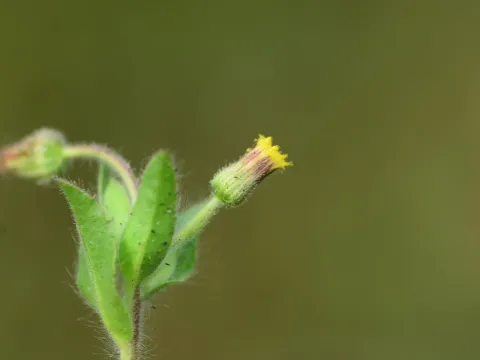
Blumea bifoliata
Blumea bifoliata
Blumea bifoliata is a tropical species that thrives in warm climates, requiring consistent temperatures for optimal germination. Sowing is typically aligned with the onset of the wet season to ensure sufficient moisture for seedling establishment.
What the section contains
Blumea bifoliata
The seeds are minute and should be sown on the soil surface with minimal coverage. A thin layer of fine sand can be applied to keep the seeds in place and protect them from being washed away during initial irrigation.
Maintaining proper spacing during sowing is crucial to ensure each plant receives adequate light and air. Thinning is recommended as soon as true leaves appear to prevent overcrowding in the nursery beds.
For large-scale cultivation, starting seeds in seed trays allows for better control over the environment and ensures high germination rates before transplanting into the open field.
Soil surface must be kept moist during the germination period. Careful irrigation using a fine mist sprayer prevents damage to the delicate seeds and young sprouts, ensuring a uniform crop density.
This crop prefers well-drained, sandy loam soils that provide excellent aeration. Excessive moisture retention in the soil can lead to root rot, making site selection critical for successful production.
Blumea bifoliata requires full sun exposure to maximize the production of its active metabolites. Any form of shading or competition from taller vegetation should be mitigated to ensure high quality yields.
Watering must be balanced; while the plant requires consistent moisture for vegetative growth, it is sensitive to waterlogging. Drip irrigation systems are highly recommended to maintain moisture at the root zone.
Optimal growth occurs at temperatures ranging between 22 and 30 degrees Celsius. Exposure to cold temperatures or frost can be detrimental, often resulting in immediate cessation of growth and potential crop loss.
Soil fertility management should focus on organic compost or balanced fertilizers. Proper nutrient levels support vigorous leaf development, which is essential for maximizing the yield of the aerial parts used in commerce.
The yield of Blumea bifoliata is dictated by management intensity and environmental suitability. Farmers can expect multiple harvest cycles per season under ideal subtropical growing conditions.
Primary commercial yields consist of leaves and flowering tops. Harvesting these parts at the right developmental stage ensures that the essential oil content remains at its peak potency.
Proper pruning techniques during harvest stimulate rapid regrowth. By leaving the base of the plant intact, producers can ensure sustainable harvest cycles that continue throughout the vegetative season.
Yield quality is highly dependent on post-harvest handling. Immediate drying in a shaded, well-ventilated environment preserves the integrity of the bioactive compounds found in the plant tissue.
Storing the dried product in humidity-controlled environments is essential to maintain quality. Proper packaging prevents the degradation of active ingredients and ensures a long shelf life for the dried material.
The plant is susceptible to fungal infections like powdery mildew, especially in environments with high humidity and poor air circulation. Proper spacing and regular monitoring help manage these risks.
Common pests such as aphids and spider mites can cause significant damage to the leaf tissue. Biological control agents or neem-based pesticides are effective and environmentally friendly solutions.
Root-knot nematodes can pose a threat when the plant is grown continuously on the same soil. Crop rotation with non-host species is a fundamental practice to maintain soil health and productivity.
Competition from weeds is highest in the early growth stages. Manual weeding or mechanical cultivation in the inter-row spaces is necessary to allow the crop to establish a strong root system.
Regular inspections are essential to identify early signs of stress or pest infestation. Early intervention minimizes the need for chemical applications and protects the overall crop health.
Harvesting is performed by cutting the upper aerial portions of the plant. Using sharp tools minimizes tissue damage, which is crucial for quick recovery and subsequent regrowth of the crop.
The best time to harvest is mid-morning, once the dew has evaporated but before the intense midday sun reduces the concentration of volatile oils in the leaves.
Transport of the harvested material to the processing area should be swift to prevent overheating. Stacking large amounts of fresh material can lead to fermentation, which negatively impacts the final quality.
Post-harvest sorting is required to remove debris, soil, or damaged foliage. High-quality standards for the dried product rely on the initial purity of the raw material collected in the field.
Drying racks should be designed to allow for maximum airflow through the leaf mass. Once completely dried, the product should be packed in airtight containers to protect it from moisture and light exposure.