
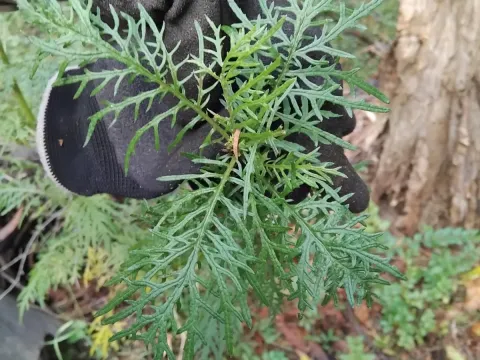
Senecio bipinnatisectus
Senecio bipinnatisectus
Senecio bipinnatisectus, commonly known as the variable groundsel, is a member of the Asteraceae family. While it possesses botanical interest, in the agricultural sector, it is primarily managed as a troublesome weed species.
What the section contains
Senecio bipinnatisectus
Originating from Australia, this plant has successfully naturalized in various regions globally. It thrives in disturbed sites, including fallow fields, roadsides, and grazing pastures where competition from native vegetation is low.
The plant is characterized by its distinct bipinnatisect leaves, which allow for efficient nutrient uptake and rapid growth. Its biological strategy focuses on high seed production to ensure long-term soil persistence.
Regarding climate and soil, Senecio bipinnatisectus is highly adaptable. It prefers well-lit areas and can tolerate a range of soil types, from sandy loams to heavier clays, provided there is adequate moisture during the early developmental stages.
Agricultural management requires vigilance. Maintaining dense crop canopies and practicing precise mechanical weeding are the most effective methods to prevent this species from establishing dominance in arable fields.
The primary concern for farmers is the presence of pyrrolizidine alkaloids. These compounds are toxic to livestock, and ingestion of the plant, either fresh or contaminated in hay, can lead to severe and irreversible liver damage in cattle and horses.
Common pests include aphids and specific leaf beetles. While they exert some pressure on the plant population, they are generally ineffective as biological control agents and often facilitate the spread of viral pathogens to crops.
Diseases such as powdery mildew and various rust fungi are prevalent on the species. These pathogens can act as a reservoir, posing a significant phytosanitary threat to nearby vegetable or flower crops in mixed farming systems.
The plant exhibits aggressive growth behavior, competing directly with crops for water, light, and soil nutrients. Significant yield reductions are observed in crops where the plant is allowed to reach maturity and produce seeds.
Integrated weed management is essential. Strategies must include the elimination of early-stage plants, crop rotation, and the use of approved herbicides to exhaust the soil seed bank and prevent further proliferation.