
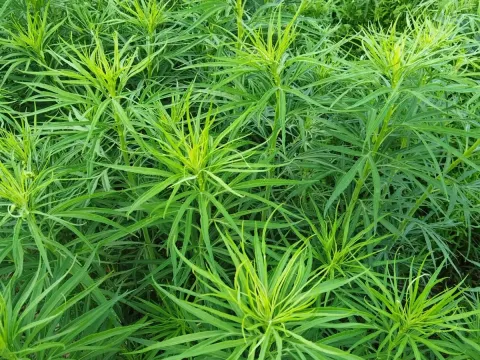
Selenga wormwood
Artemisia selengensis
Selenga wormwood is a perennial rhizomatous plant, meaning its cultivation is typically managed through vegetative propagation. Dividing mature clumps or using rhizome cuttings in early spring or autumn is the most reliable method for establishing productive and uniform plant stands.
What the section contains
Selenga wormwood
If seeds are used for planting, they require a period of stratification to break dormancy and increase germination rates. Seeds should be sown very shallowly, as they are minute and require adequate light exposure to initiate the germination process successfully in a well-prepared seedbed.
When laying out a field, proper spacing is essential to ensure long-term productivity. Maintaining row widths of 60 to 70 centimeters allows for efficient mechanical weed control and provides each plant with enough space for root development without excessive competition for nutrients.
Moisture management at the time of planting is critical. The soil should be kept consistently moist until the young plants have successfully established their root systems. Once established, the plants demonstrate high resilience, but early-stage care is vital for achieving high field density.
The selection of the planting site should prioritize areas with full sun exposure. While the plant can tolerate light shade, high light intensity is crucial for maximizing the concentration of essential oils and bioactive compounds within the foliage, which constitutes the primary harvestable yield.
Selenga wormwood belongs to the Asteraceae family and is naturally adapted to moist environments like riverbanks and wetlands in East Asia. Understanding this botanical background is essential for providing the correct growing conditions for a high-quality agricultural crop.
The plant thrives in fertile, well-draining loamy soils with a neutral or slightly alkaline pH. While it appreciates moisture, standing water in the root zone is detrimental, so ensuring good soil structure and potentially implementing drainage in lower areas of the field is necessary.
Temperature adaptability is a strong trait of this species. Being native to regions with significant seasonal variations, Selenga wormwood is highly frost-tolerant and can survive winter temperatures without special protection, resuming active growth as soon as spring conditions arrive.
Nutrient management focuses on steady growth rather than explosive bursts. Organic amendments are preferred to maintain soil fertility and promote the synthesis of medicinal compounds. Excessive nitrogen fertilization should be avoided, as it can reduce the potency of the essential oils.
Regular maintenance involves keeping the field free of invasive weeds. Given that the plant spreads through rhizomes, managing its expansion is part of the long-term agronomic strategy. Periodic cultivation of the soil between rows helps to maintain soil aeration and moisture retention.
The economic value of Selenga wormwood lies in its diverse applications. It is highly sought after in the pharmaceutical industry for its anti-inflammatory and antiseptic properties, and it remains a traditional ingredient in many medicinal and herbal preparations globally.
In the culinary sector, the tender young shoots and leaves are used as a flavoring agent. Its unique, slightly bitter profile makes it an excellent addition to specialized dishes, contributing to its growing demand in modern markets that focus on natural and healthy food ingredients.
Maximum yield potential is typically reached within the second and third years of establishment. An well-managed field, with consistent irrigation and appropriate care, can remain highly productive for several years, providing multiple harvests per season if conditions are optimal.
Harvesting efficiency depends on the ability to perform multiple cuts per year. Depending on the local climate and growing speed, growers can often conduct several harvests per season, provided the plants are given adequate recovery time between sessions to preserve their vitality.
Post-harvest handling is a critical step in maintaining product quality. After harvesting, the raw material must be dried promptly in shaded, well-ventilated areas. Maintaining temperatures below 40 degrees Celsius ensures that the volatile essential oils are preserved for the final user.
Selenga wormwood is generally robust, benefiting from natural phytochemical defenses that repel many pests. This inherent resistance makes it an excellent candidate for low-chemical farming practices, which is particularly important for plants intended for medicinal or food use.
Powdery mildew is the most common disease encountered, especially in fields with poor ventilation or excessive humidity. Monitoring the leaf surfaces for white spotting is essential, and improving field airflow can often mitigate the risk without needing chemical intervention.
Aphids can occasionally colonize young growth during periods of drought-induced stress. These pests extract plant fluids, which can stunt development and lower product quality. Integrated pest management, focusing on field health and beneficial insect populations, is the preferred control strategy.
Root rot, while less common, may occur in areas with poor drainage or over-irrigation. Ensuring that the soil remains breathable and that water does not pool around the roots is the most effective preventative measure against fungal complications that could damage the rhizomes.
For sustainable cultivation, maintaining a strict crop rotation cycle and ensuring adequate physical distance from other Asteraceae species is recommended. These practices help prevent the build-up of host-specific pathogens and pests in the soil over time.
Determining the correct harvest timing is a fundamental skill for Selenga wormwood growers. The ideal harvest window is at the early stages of flowering, when the concentration of essential oils is at its physiological peak throughout the stems and leaves of the plants.
When using mechanized harvesting, the height of the cut is vital. Leaving approximately 10 to 15 centimeters of stubble is recommended; this protects the plant base and ensures rapid regeneration for future harvest cycles throughout the remainder of the growing season.
Harvesting must be performed in dry weather conditions, ideally after the morning dew has evaporated. Harvesting wet plant material increases the risk of fungal growth and spoilage during storage, which can drastically lower the market value of the dried herb product.
Transportation of the harvested material requires loose, airy containers to prevent compaction. Compacting the leaves can lead to self-heating of the biomass, which causes the rapid loss of volatile compounds and can degrade the color and aroma of the final dry product.
The final stage involves the cleaning of the raw material. Removing old wood, foreign debris, and damaged leaves ensures that the final product meets high quality standards. Only through diligent cleaning and controlled drying can the grower produce a premium market-ready herb.