
Senecio bidwillii
Senecio bidwillii
Senecio bidwillii, commonly known as leatherwood, is an evergreen shrub belonging to the Asteraceae family. It is native to the subalpine regions of New Zealand, where it naturally inhabits rocky slopes and mountainous environments.
What the section contains
Senecio bidwillii
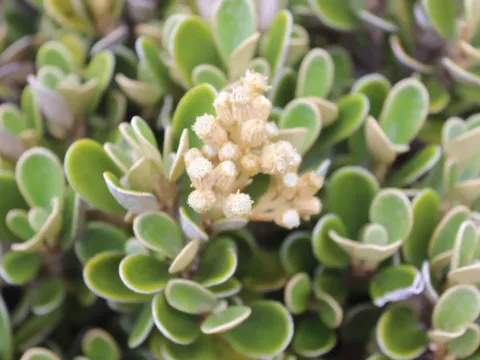
Botanically, this shrub is characterized by its stiff, leathery, dark green leaves with a distinct white or buff-colored felted underside. It produces clusters of small, daisy-like white flowers that bloom, adding to its visual appeal in natural and garden settings.
To cultivate this species successfully, it is essential to provide well-drained, gritty soil. The plant thrives in environments that mimic its natural habitat, requiring excellent air circulation and soil conditions that prevent water from pooling around the roots.
The plant performs best in full sun, though it appreciates light shade in regions with extremely high summer temperatures. It is highly resistant to cold, making it an excellent candidate for colder climates, provided it is shielded from excessive winter wetness.
In landscaping, Senecio bidwillii is highly valued for its compact, rounded growth habit and its year-round decorative foliage. It is frequently utilized in rock gardens and alpine-themed borders where it requires minimal intervention once established.
The primary threat to the health of Senecio bidwillii is root rot, which typically develops in poorly drained soils or during periods of high humidity. Preventing waterlogged conditions is the most effective management strategy for long-term survival.
Pests such as aphids and spider mites can occasionally affect the plant, particularly in sheltered or dry conditions. Regular monitoring and the application of appropriate horticultural oils or systemic insecticides help keep pest populations under control.