
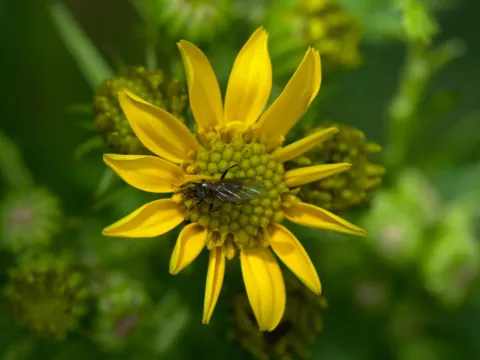
Senecio chrysanthemoides
Senecio chrysanthemoides
Senecio chrysanthemoides is a perennial herbaceous plant belonging to the Asteraceae family. Native to the mountainous regions of Asia, specifically the Himalayan range, this plant has adapted to cooler climates and high-altitude ecological niches.
What the section contains
Senecio chrysanthemoides
Optimal growing conditions require well-draining, nutrient-rich soils with a slightly acidic to neutral pH level. The plant thrives in semi-shaded locations but can tolerate full sun provided the soil moisture is kept consistent throughout the vegetative stage.
The botanical profile of this species is characterized by its distinct chrysanthemum-like foliage and upright growth habit. Under favorable conditions, the plant develops a robust root system that sustains a prolific display of yellow inflorescences during the peak season.
Cultural requirements involve careful irrigation management to prevent soil waterlogging, which the plant is highly sensitive to. Providing adequate ventilation and proper spacing is crucial to minimize the risk of environmental stress and ensure uniform biomass accumulation.
Agricultural use focuses primarily on experimental studies and ornamental applications due to its chemical composition. Understanding the secondary metabolites found in this species is essential for future potential pharmaceutical or industrial extraction processes.
The main pathological threats include fungal infections such as powdery mildew, especially during seasons with high humidity and poor air circulation. Root rot represents a significant danger if the soil drainage is inadequate for the plant's physiological needs.
Common pests associated with this species are aphids and spider mites, which tend to infest the plant during prolonged dry spells. Implementing biological control measures and maintaining soil moisture levels are the most effective strategies for preventing widespread infestation.