
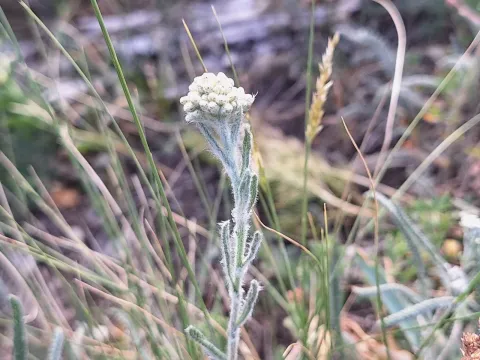
Seidl's yarrow
Achillea seidlii
The sowing of Seidl's yarrow is primarily carried out in the spring, once the soil has warmed to 10–12°C, or late in the autumn for natural seed stratification. The optimal time is generally late March or early April, allowing the plants to efficiently utilize spring moisture reserves.
What the section contains
Seidl's yarrow
For high-quality germination, seeds should be sown at a depth of no more than 1–2 centimeters, as they are light-sensitive. Row spacing for field cultivation should be between 45–60 centimeters, which ensures sufficient airflow and facilitates mechanical inter-row maintenance.
Seeding rates are calculated based on seed viability and quality, typically ranging from 0.5 to 1 kilogram per hectare for drill seeding. It is essential to ensure even distribution to prevent over-densification of the crop, which can negatively impact the quality of the medicinal raw material.
After sowing, it is recommended to compact the soil slightly with light rollers to improve seed-to-soil contact, which is critical for obtaining uniform emergence in dry spring conditions. Seedlings usually appear within 14–20 days, depending on temperature and moisture availability.
During the first year, the crop develops slowly by forming a basal leaf rosette, necessitating careful weed control. The use of selective herbicides is permissible only after a thorough assessment of the crop's condition and consultation with an agronomist.
Seidl's yarrow, belonging to the Asteraceae family, is a perennial herbaceous plant well-adapted to temperate climate conditions. The crop demonstrates high winter hardiness and the ability to withstand short periods of summer drought due to its well-developed root system.
It prefers open, well-lit areas with light-textured soils, such as sandy loams or light loams with a neutral pH. Excessive moisture and heavy clay soils with high water tables are detrimental to the plant, as they frequently cause root rot.
For successful growth and the accumulation of biologically active compounds, the crop requires moderate applications of mineral fertilizers, particularly nitrogen-phosphorus feeds during early vegetation. The optimal soil pH for this species ranges from 6.0 to 7.0, ensuring maximum nutrient availability.
Standard agricultural practices include mandatory inter-row cultivation to prevent soil crusting, which improves root aeration. The crop responds well to moderate organic fertilization during the preparation of the site for planting or sowing.
As a typical species of Central and Eastern European flora, the climatic conditions of these regions are most favorable for its development. The plant effectively competes with weeds as the shrub expands, forming a dense turf by the third year of growth.
The economic yield of Seidl's yarrow is measured by the volume of dry raw material, which consists of both leafy stems and inflorescences. With proper plantation care, yields can reach 2–3 tons of dry matter per hectare under commercial farming conditions.
Peak yields are typically achieved in the second and third years, when the plants are fully mature and capable of producing a high number of generative shoots. Thereafter, productivity gradually declines unless the plantation is rejuvenated.
Harvesting is performed during the full flowering phase, when the concentration of essential oils and other beneficial compounds reaches its maximum. Selecting the correct timing is crucial, depending on local weather patterns and the developmental stage of the inflorescences.
After harvest, the material must be dried immediately in specialized facilities at temperatures not exceeding 40–45°C to preserve quality. Over-drying or poor storage conditions result in reduced market value and the loss of active chemical compounds.
Economic efficiency depends on the purity of the raw material and efficient logistics for supply to processing plants. Market demand for this type of medicinal raw material remains consistently high in both the pharmaceutical and food processing industries.
Common diseases affecting Seidl's yarrow include fungal infections like powdery mildew and various rusts, which occur when standard agricultural practices are ignored. High air humidity and dense canopy conditions are the primary catalysts for infection spread.
Among pests, leaf-eating insects and aphids pose the greatest threat, as they significantly reduce the leaf surface area needed for photosynthesis. In dry years, plantations may suffer from spider mite infestations, necessitating preventive treatment measures.
Root rot is the most dangerous pathology, often occurring in poorly drained or waterlogged areas. Prevention includes rigorous crop rotation, where yarrow is not replanted in the same location for at least 4–5 years.
Commercial-scale pest and disease management utilizes integrated protection methods that minimize the use of aggressive chemicals near the harvest period. Biological control agents have shown high efficacy when combined with regular phytosanitary monitoring.
- Regular field inspections to identify and isolate infection hot-spots.
- Removal of plant debris after harvest to reduce pathogen load.
- Consistent weed management, as weeds often act as secondary hosts for pests.
Harvesting is conducted using specialized mowers or harvesters set to cut leafy shoots at a height of 10–15 centimeters above the soil surface. It is critical to prevent the inclusion of coarse, lignified stem parts in the final harvested mass.
The ideal time for mowing is during a dry, sunny day when no dew is present on the foliage, which accelerates drying and prevents spoilage. If necessary, harvest can be performed in two stages if flowering times across the plantation vary significantly.
Following harvest, the material must be transported to the processing site as quickly as possible to prevent self-heating and biochemical degradation. Delays in transport during hot weather lead to discoloration and a significant reduction in essential oil content.
Mechanical harvesters should be calibrated to provide a clean cut without damaging the plant's root crown, ensuring the plantation remains viable for future years. Regular blade maintenance and machinery calibration are vital for long-term plantation health.
Proper harvesting techniques ensure high-quality raw material that meets pharmacopeial standards. Post-harvest, the plantation requires fertilization and light cultivation to promote successful overwintering and the recovery of vegetative mass for the coming season.