
Senecio consanguineus
Senecio consanguineus
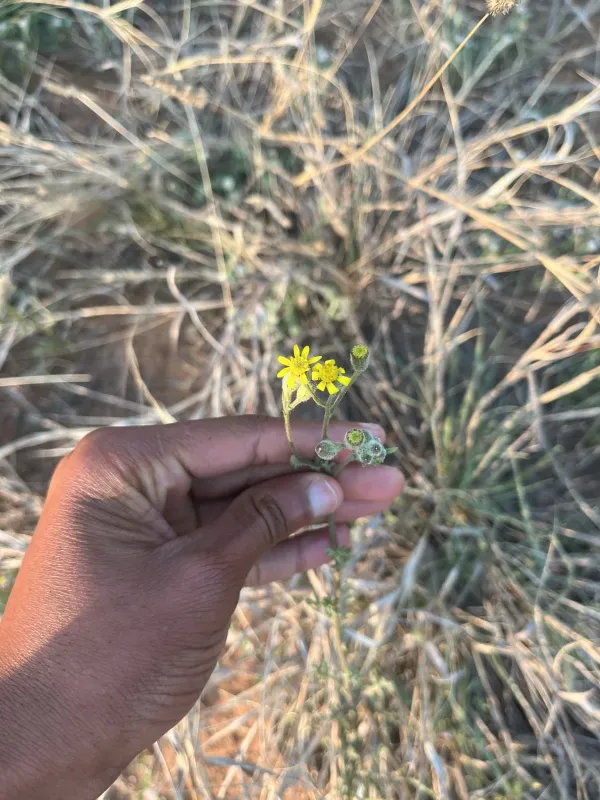
Description
Growing requirements
Senecio consanguineus is a herbaceous plant belonging to the Asteraceae family. While primarily recognized as a wild species in its native range, it is an important subject of study within agricultural ecology due to its adaptation strategies and competitive nature in local landscapes.
The species originates from Southern Africa, where it has evolved to thrive in environments characterized by distinct seasonal variations and limited water availability. Its presence is often noted in open grasslands and arid regions where other species may struggle.
Botanically, it displays a robust growth habit with branched stems and deeply lobed leaves. These features are evolutionary adaptations that minimize transpiration loss, allowing the plant to maintain metabolic functions during prolonged periods of heat and drought.
Regarding soil requirements, Senecio consanguineus performs best in well-drained, sandy, or stony soils. It shows a remarkable ability to tolerate low nutrient availability, making it a highly resilient colonizer in disturbed or nutrient-poor agricultural plots.
Management in an agricultural context requires proactive measures. Due to its effective seed dispersal mechanism, involving wind-borne pappi, early intervention through cultivation or physical removal is essential to prevent the spread of the plant into surrounding crop fields.
Main diseases and pests
The primary diseases affecting Senecio consanguineus include various fungal pathogens such as powdery mildew, which can significantly damage the foliage during periods of high humidity or poor ventilation in the canopy.
Insect pests, specifically aphid populations, represent a constant threat. By feeding on the plant's vascular tissues, they weaken the host and can inhibit its reproductive success, serving as a biological factor that naturally limits the density of the plant population.