
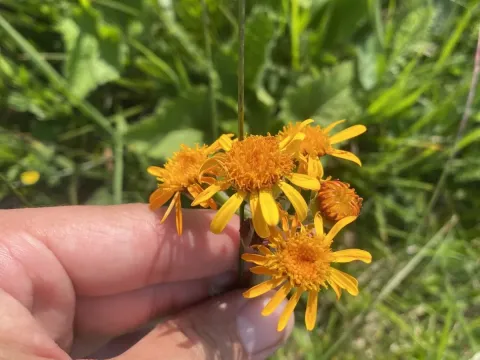
Senecio caucasigenus
Senecio caucasigenus
Senecio caucasigenus is a perennial herb belonging to the Asteraceae family. This species, native to the Caucasus region, is increasingly of interest for its specialized botanical and pharmacological properties.
What the section contains
Senecio caucasigenus
Sowing should take place in early spring following a period of natural stratification, or in late autumn before the soil freezes. The seeds are small and require a light covering of soil to ensure optimal contact for germination.
The ideal substrate for sowing is a well-draining, loose mixture of sand and peat. Maintaining consistent soil moisture during the first few weeks after germination is critical for the survival of the seedlings.
When sowing in trays, ensure that seeds are spaced evenly to prevent overcrowding. Once the seedlings reach a height of 5-8 centimeters, they can be transplanted into their permanent outdoor locations.
The plant grows vigorously after the initial establishment phase, provided it has enough space to develop its basal rosette, which is the primary feature of its early development.
Senecio caucasigenus thrives in locations with full to partial sun exposure. As a plant originating from mountainous terrains, it prefers cool, breezy environments rather than stagnant, humid heat.
Soil requirements focus on neutrality or slight alkalinity and excellent drainage. The plant is highly sensitive to waterlogged conditions, which often cause severe root damage and stunted growth.
While the species is hardy, it benefits from a layer of protective mulch during harsh winters in colder regions. This protects the crown of the plant from extreme temperature fluctuations and frost heave.
Regular maintenance includes weeding to reduce competition for nutrients. Since the plant can be sensitive to over-fertilization, organic compost applied sparingly is generally safer than synthetic chemical inputs.
Watering should be managed based on the season; reduce frequency during the autumn to prepare the plant for dormancy, while increasing moisture levels during the peak growth months of spring and summer.
Pathogenic fungi represent the primary threat to the health of these plants, particularly in areas with poor air circulation. Powdery mildew is the most common foliar disease identified in field trials.
Root rot is typically observed in fields with high clay content or poor drainage. To prevent this, growers should ensure that the planting site has been properly aerated and amended with organic matter.
Common insect pests include aphids, which feed on the sap of young shoots, and spider mites. These can be managed through biological control agents or targeted horticultural soaps.
- Implement strict crop rotation schedules.
- Ensure adequate spacing between rows for ventilation.
- Remove any decaying plant matter from the field immediately.
The use of broad-spectrum pesticides should be avoided, as the plant may absorb chemicals that could render the final medicinal harvest unsafe for processing or clinical use.