
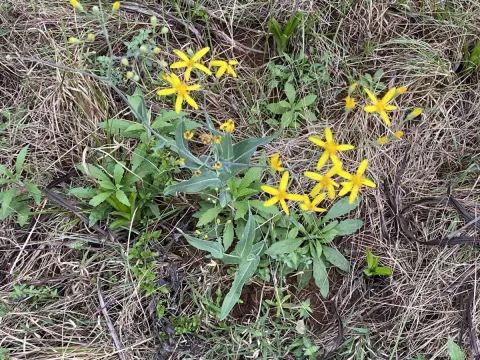
Senecio bupleuroides
Senecio bupleuroides
Senecio bupleuroides is a perennial herbaceous plant belonging to the Asteraceae family. Its natural distribution is primarily centered in South Africa, where it has adapted to specific climatic niches characterized by dry periods and specific soil structures.
What the section contains
Senecio bupleuroides
The plant is distinguished by its upright growth habit and leaves that mimic the shape of bupleurum. The inflorescences consist of typical senecio-like capitula arranged in loose, corymb-like formations, providing an ornamental appeal throughout the growing season.
To ensure successful development, the crop requires well-drained, light sandy loam or loamy soils. High exposure to sunlight is essential, and the species is sensitive to waterlogging, which can easily trigger root rot if drainage is insufficient.
Agricultural practices for this species focus on maintaining a stable growing temperature between +18 and +25 degrees Celsius. Regular but moderate irrigation is critical, ensuring that the root system remains healthy without excessive moisture saturation.
Commercially, the plant is valued for its unique appearance in floral design and as a potential candidate for specialized landscaping projects. Its resilience makes it an attractive choice for gardeners looking for drought-tolerant ornamental foliage.
The primary threats to this plant are fungal diseases, such as powdery mildew, which often develop in environments with poor air circulation and high relative humidity.
Pests such as aphids and spider mites are frequently encountered, particularly in arid climates, where they can severely impact the quality of the foliage and overall plant vigor.
Proactive management involves monitoring planting density to ensure adequate airflow around the plants and implementing proper sanitation practices to prevent the spread of soil-borne pathogens.
In cases of significant infestation, targeted insecticidal treatments are recommended, keeping in mind the necessity of following sustainable application rates to protect beneficial insects.
Maintaining balanced nutrient levels, particularly avoiding excessive nitrogen, is crucial to prevent the succulent tissues from becoming overly susceptible to pest damage.