
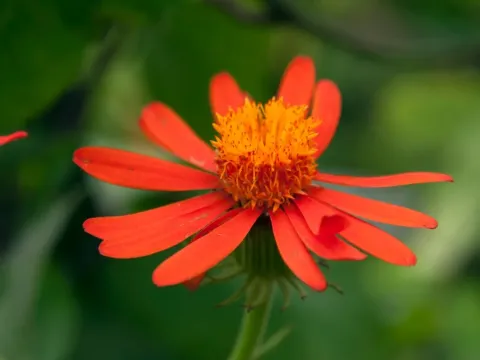
Senecio confusus
Senecio confusus
Sowing Senecio confusus seeds typically occurs in early spring, ideally in March or April, using a protected seed-starting environment. Seeds require temperatures between 20–22 degrees Celsius and consistent moisture to germinate effectively.
What the section contains
Senecio confusus
It is important to remember that these seeds require exposure to light for successful germination. When planting, do not bury them deeply; instead, surface-sow them on a high-quality, moist seed-starting medium and press them gently for contact.
In warmer climates, direct sowing into the garden is possible once the danger of frost has passed. Late May is generally considered the optimal time for outdoor sowing, ensuring the soil has warmed up sufficiently to promote rapid development.
Once seedlings have developed at least three or four true leaves, they should be pricked out into individual pots. This transition allows the root system to expand and hardens the plant before it is eventually moved to its permanent outdoor location.
Vegetative propagation via stem cuttings is often preferred for maintaining the traits of specific varieties. Cuttings root best in a light, sandy medium, provided they are kept in a humid, warm, and shaded area until roots establish.
Senecio confusus, a member of the Asteraceae family, is a climbing vine native to Mexico. It thrives in full sun, requiring at least six to eight hours of direct light daily to produce its signature vibrant, orange-red flower clusters.
The plant prefers well-draining, fertile loamy soil with a neutral to slightly acidic pH. Poor drainage is the leading cause of root decline; therefore, containers must have adequate drainage holes and a layer of coarse material at the bottom.
While the plant is somewhat drought-tolerant once established, regular irrigation during the growing season is necessary for optimal flowering. Avoid waterlogging the soil, as this promotes root diseases and weakens the plant's structural integrity.
As a vine, it requires a sturdy trellis, fence, or arbor to support its upward growth. It is an aggressive climber that needs sufficient space; regular training of the stems will help achieve the desired aesthetic shape for your landscape.
Temperature management is key: the plant prefers warm conditions (18–25 degrees Celsius). During winter, it should be protected from freezing temperatures, ideally placed in a cool, bright area where it can rest with minimal water application.
The most common pests affecting Senecio confusus are aphids and spider mites, particularly when the plant is kept in dry, indoor environments. Routine inspection of the undersides of the leaves is critical for early detection and control.
Powdery mildew is a frequent fungal issue, especially in environments with high humidity and poor air circulation. To mitigate this, ensure the plant is spaced correctly and that the foliage is kept dry during evening hours.
Root rot is a major threat caused by overwatering or soil that lacks proper aeration. Using a sterile, professional-grade potting mix with added perlite or grit is essential for maintaining a healthy rhizosphere in container-grown plants.
Whiteflies can also pose a significant problem by sucking nutrients from the foliage and creating sticky residue. Integrated pest management, including the use of neem oil or insecticidal soap, is effective for managing these infestations.
Maintaining strong, healthy plants through proper fertilization and balanced care is the best defense against disease. Regularly pruning dead or crowded stems also improves airflow, reducing the likelihood of fungal outbreaks.
Senecio confusus is primarily utilized for ornamental purposes, such as covering unsightly fences, enhancing balcony aesthetics, or acting as a focal point in vertical gardens. It is highly valued for its long, profuse blooming period.
Seed harvesting is performed in late autumn once the flower heads have withered and the seed heads have turned brown. Allow the seeds to dry fully on the vine before collection to ensure they reach full maturity for next year.
When grown in containers in colder regions, preparation for winter involves moving the plants into a frost-free environment. A gradual decrease in water and light prepares the plant for its dormancy phase, preventing unnecessary stress.
While the vines can be used for cut flowers, they have a relatively short vase life. If pruning or handling the plant, it is recommended to wear gloves, as the sap of many Senecio species can be irritating or contain alkaloids.
Regular pruning of spent blooms and leggy stems is highly recommended to keep the plant neat and to encourage further flushes of flowers throughout the growing season. Remove all diseased foliage during end-of-season cleanup.