
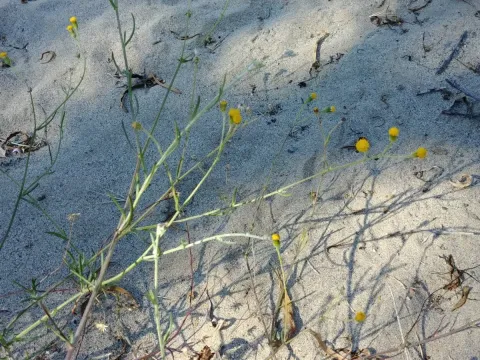
Narrow-leaf ragwort
Senecio angustifolius
Narrow-leaf ragwort (Senecio angustifolius) is a herbaceous perennial belonging to the Asteraceae family. Originating from South Africa, this plant has adapted to diverse environments, becoming a subject of interest in specialized agriculture due to its unique biological composition.
What the section contains
Narrow-leaf ragwort
The plant is botanically identified by its distinct narrow, linear foliage and a robust root system. These structural features allow it to maintain structural integrity under varying environmental pressures, including short periods of water stress which are common in its native habitat.
Optimal growth requires well-drained, fertile soil, ideally with a loamy or sandy texture. Maintaining the correct pH balance in the soil is crucial for nutrient uptake, and the plant thrives when moisture levels are carefully managed through modern irrigation systems.
Climatic requirements focus on high solar irradiance and consistent temperatures. While the crop can withstand moderate heat, excessive cold poses a significant threat, requiring specialized agronomic interventions such as winter protection or climate-controlled growth facilities.
Its primary economic value lies in the extraction of bioactive secondary metabolites. These compounds are utilized in pharmaceutical research and development, making this plant an increasingly important commodity in high-value botanical production chains.
The most common agricultural threats to this crop include fungal infections such as root rot and powdery mildew. These issues often arise when humidity levels are not properly regulated, leading to poor air circulation within the plant canopy.
Pest management focuses primarily on controlling infestations of aphids and spider mites. These pests thrive in dry conditions and can cause significant yield loss if not addressed with integrated pest management (IPM) practices at the early stages of the infestation.