
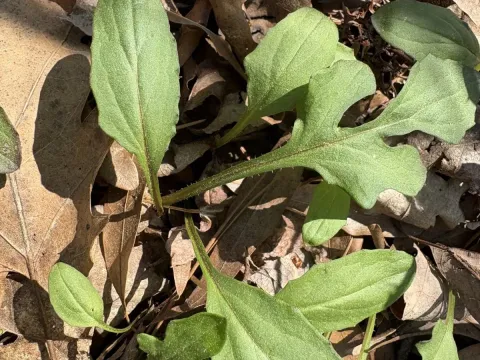
Nabalus
Nabalus
The genus Nabalus, belonging to the Asteraceae family, consists of herbaceous perennials. As it is not a traditional field crop, there are no standardized industrial sowing schedules for these plants.
What the section contains


Nabalus
In research or horticultural settings, seeds are typically sown in the fall or early spring, often requiring a period of cold stratification to break dormancy.
Seeds are small and should be sown on the soil surface or covered with a very thin layer of substrate to ensure adequate light exposure for germination.
Maintaining consistent moisture levels during the germination phase is critical, as the young seedlings are highly sensitive to desiccation.
Spacing during planting should be optimized to allow for proper airflow and to prevent competition between individual plants during the early development stages.
Nabalus species generally prefer partial shade or filtered sunlight, mimicking their natural habitat in forest edges or clearings.
The soil should be rich in organic matter, well-draining, and maintain a consistent moisture level without becoming waterlogged, as stagnant water is detrimental.
A slightly acidic to neutral soil pH is ideal for the uptake of essential nutrients, supporting vigorous growth throughout the vegetative cycle.
Protection from extreme weather conditions, such as high winds or prolonged heat waves, is necessary to prevent wilting and maintain structural integrity.
Regular maintenance, including manual weeding and the application of organic mulch, helps keep the root zone cool and suppresses the growth of invasive plants.
There is no established commercial yield data for Nabalus, as its cultivation is primarily limited to botanical or experimental research projects.
Biomass production is highly dependent on environmental factors such as soil fertility, water availability, and the specific microclimate of the planting site.
The peak period for harvesting green biomass coincides with the flowering stage, when the plant has maximized its vegetative development.
Improving yields in an experimental context often involves optimizing soil structure and ensuring consistent irrigation during the peak growth months of summer.
Future research may evaluate the plant's potential for specific industrial uses, which would then lead to the development of standardized yield metrics.
The plants can be susceptible to various leaf-chewing insects, which can significantly reduce the photosynthetic surface area if left unmanaged.
Fungal diseases, such as powdery mildew, may emerge in high-humidity conditions with poor air circulation, necessitating improved spacing or environmental adjustments.
Root systems may be vulnerable to soil-borne pathogens, especially in sites where drainage is insufficient or where crop rotation is not practiced.
Early detection and the use of integrated pest management strategies are essential for maintaining the health of the crop in small-scale cultivation.
Minimizing the use of synthetic chemicals is recommended to protect the biodiversity of the surrounding ecosystem where Nabalus is grown.
Harvesting is usually conducted manually when the plants reach their peak physiological maturity, which typically occurs during the flowering phase.
Care must be taken during cutting to prevent damage to the crown or roots, ensuring the plant's potential for continued growth or survival, if intended.
Post-harvest handling requires immediate transfer to a shaded and well-ventilated drying area to prevent the degradation of botanical components.
The drying process should be gradual, ensuring that moisture is removed evenly to prevent mold growth during the preservation phase.
Final storage should be in a cool, dry, and dark environment to maintain the chemical profile and quality of the harvested material for future analysis.