
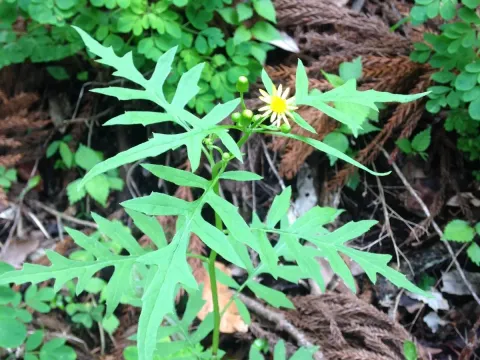
Nemosenecio
Nemosenecio
Nemosenecio is a genus within the Asteraceae family, typically represented by perennial herbs. For successful cultivation, seeds should be sown in early spring to utilize the natural seasonal increase in light and temperature.
What the section contains

Nemosenecio
The seeds are generally small and require a light covering of soil or grit to germinate effectively. Maintaining a consistent moisture level in the germination medium is essential during the first weeks.
Using a high-quality, sterile potting mix helps to avoid damping-off diseases, which can frequently affect seedlings in their early stages of growth.
If sowing directly outdoors, ensure the site has been cleared of weeds and debris, as young Nemosenecio plants do not tolerate competition for nutrients in their early development.
Strategic timing of the sowing process allows the root system to become established before the onset of extreme summer heat or winter dormancy.
The plant thrives in well-drained, fertile soil with a neutral to slightly acidic pH. It is crucial to prevent waterlogging, which often leads to root death and overall decline of the specimen.
Regarding light, Nemosenecio prefers locations with bright, indirect sunlight. Excessive exposure to intense, direct afternoon sun can lead to leaf scorching in some species.
Regular but controlled watering is necessary. It is advisable to let the surface soil dry out slightly between watering sessions to ensure adequate oxygen reaches the roots.
Fertilization should be balanced, with a focus on phosphorus and potassium during the growth phase to promote strong stems and vibrant foliage development.
Environmental conditions should mimic the plant's native alpine or subalpine habitats, characterized by moderate humidity and good air circulation throughout the growing season.
Nemosenecio is susceptible to several fungal pathogens, particularly if the planting site lacks adequate air movement or if the plants are spaced too closely together.
Root rot is the most common issue, often resulting from poorly draining soil or irrigation practices that leave the root zone continuously saturated with water.
Pests such as aphids and spider mites can infest the foliage, particularly under dry and hot conditions, leading to stunted growth and damage to new buds.
Implementing integrated pest management (IPM) strategies, including biological controls and regular monitoring, is highly effective in maintaining healthy crops.
Sanitation practices, such as removing dead leaves and clearing weeds, significantly reduce the pressure from common pests and soil-borne diseases in the garden.