
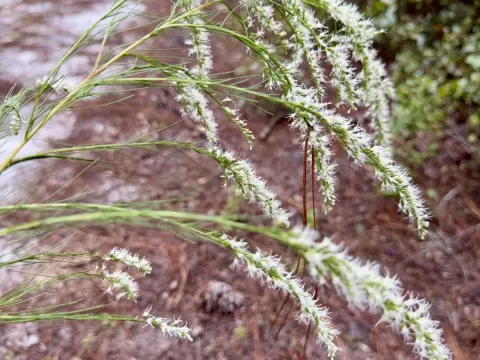
Narrowleaf thoroughwort
Eupatorium leptophyllum
Narrowleaf thoroughwort (Eupatorium leptophyllum) is typically propagated by seeds that require a period of cold stratification to break dormancy. Sowing can be done in late autumn directly into prepared garden beds or in containers kept in a cold frame to ensure natural exposure to winter temperatures.
What the section contains
Narrowleaf thoroughwort
For indoor sowing, seeds should be sown on the surface of a moist seed-starting mix in early spring. Because the seeds are tiny, they should not be covered with soil, but rather pressed gently into the surface to maintain contact. Providing consistent light and humidity is essential for successful germination.
Once seedlings have developed at least two sets of true leaves, they can be transplanted into individual pots. Using a balanced, well-draining potting medium ensures that the young plants develop a strong root system before they are moved to their permanent location in the garden.
Transplanting into the garden should occur only after the risk of frost has passed in the spring. Spacing should be approximately 45–50 centimeters apart to allow for proper air circulation as the plant matures into a dense clump during the summer months.
Vegetative propagation by division is another common and effective method for established plants. Dividing the rootstock every 3 to 5 years during the dormant season not only generates new plants but also prevents the center of the clump from becoming overly congested and dying out.
Narrowleaf thoroughwort thrives in moist environments, making it an excellent choice for areas with high soil moisture levels. It is naturally adapted to damp meadows and sites near water, so consistent irrigation is vital for optimal growth and foliage development throughout the season.
While the plant prefers full sun to achieve its most compact and upright habit, it exhibits high tolerance for partial shade. In regions with extremely hot summers, some afternoon shade can prevent leaf scorch and reduce the frequency of irrigation required by the plant.
Rich, loamy soils that hold moisture well while providing good drainage are ideal for this species. If the soil is sandy or overly heavy with clay, incorporating organic matter such as compost or well-rotted manure will significantly improve soil structure and nutrient availability.
Maintenance of the growing environment includes regular mulching around the base of the plant. This practice helps to retain soil moisture, suppress competitive weeds, and regulate soil temperature, creating a stable root zone that supports the plant's long-term health.
Fertilization with a balanced, slow-release granular fertilizer in early spring provides the necessary nutrients for the initiation of new growth. A secondary application before flowering can help support the development of the delicate flower clusters characteristic of this species.
The primary fungal challenge for Eupatorium leptophyllum is powdery mildew, particularly in conditions of high humidity combined with poor airflow. Ensuring that the plants are not overcrowded is the most effective preventative measure against this common aesthetic issue.
Pests such as aphids can occasionally congregate on the tender tips of the stems, causing stunted growth and leaf curling. Monitoring the plants during the early stages of growth and applying organic insecticidal soaps can quickly manage these populations before they cause significant stress.
Root rot, driven by persistent waterlogging in heavy, poorly drained soils, can be lethal to the plant. Improving drainage systems and avoiding excessive irrigation during rainy spells are essential strategies for protecting the rootstock and maintaining plant longevity.
Gastropods, including slugs and snails, may target young foliage during the wet spring months. Implementing physical barriers or using pet-safe slug pellets around the base of the plant can significantly mitigate damage to young, developing leaves and shoots.
Overall, a well-managed site with good cultural practices will minimize the need for chemical intervention. Prioritizing plant health through proper spacing, adequate fertilization, and consistent moisture management creates a resilient specimen that naturally resists most common pests and diseases.