
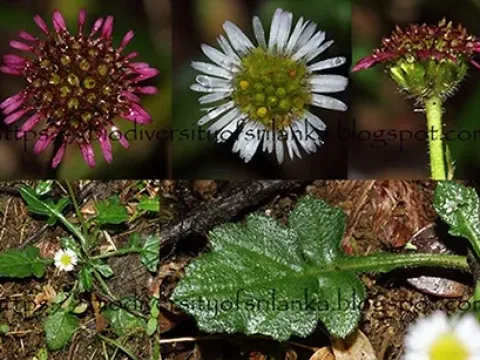
Myriactis
Myriactis
Myriactis is a genus of herbaceous plants belonging to the Asteraceae family. While not a primary agricultural commodity, its botanical interest necessitates specific sowing practices to ensure germination in a controlled environment.
What the section contains
Myriactis
Seeds are typically sown in spring when soil temperatures stabilize. Given their small size, they should be surface-sown on fine, well-draining soil and lightly covered to maintain optimal moisture levels without burial.
Propagation through nursery seedlings is often preferred to protect vulnerable young plants from environmental stresses. A period of 6 to 8 weeks is usually sufficient for seedlings to reach a size suitable for transplantation.
When sowing in trays, it is critical to use a light, sterile potting mix to minimize the risk of pre-emergence damping-off, a common issue for many Asteraceae species when moisture is poorly managed.
Ensuring proper spacing during the final planting stage is essential, as overcrowded plants exhibit reduced vigor and are more susceptible to fungal diseases due to poor air circulation.
Myriactis species are native to mountainous or high-altitude regions, which dictates their preference for cool climates. They thrive in areas that offer consistent, diffused sunlight rather than intense, direct heat.
The ideal soil profile for Myriactis is rich in organic matter, sandy-loam in texture, and exhibits excellent drainage. Heavy, clay-based soils that retain water must be amended to prevent root asphyxiation.
Consistent moisture is required during the vegetative growth phase. However, a slight drying of the topsoil layer between irrigations is often beneficial to prevent the development of root-borne pathogens.
Environmental requirements include a need for protection against extreme heat and drought. In warmer climates, it is advised to site these plants in positions that provide shade during the hottest parts of the day.
Regular mulching serves multiple purposes: it regulates soil temperature, maintains moisture consistency, and suppresses weed competition, which is crucial during the early stages of development.
Fungal diseases pose the greatest threat to Myriactis, particularly powdery mildew and gray mold, which flourish in stagnant, humid environments where air movement is restricted.
In terms of insect pests, aphids and spider mites are known to infest the foliage, particularly when plants are stressed by suboptimal conditions. Early detection is vital for effective management.
Sanitation practices, such as the removal of dead or decaying plant tissue, are fundamental in reducing the inoculum pressure of various pathogens within the cultivation area.
Integrated pest management (IPM) strategies, including the use of beneficial insects or organic horticultural oils, are recommended over broad-spectrum chemical interventions to protect the crop's health.
Root health monitoring is essential; any sign of wilting should trigger an immediate inspection of the root system to rule out soil-borne rot, which can quickly become irreversible in moist conditions.