
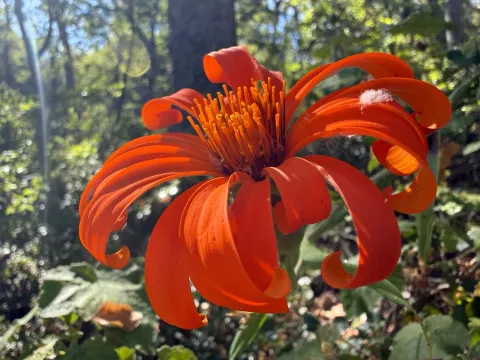
Mutisia
Mutisia
Mutisia is a genus of flowering plants within the Asteraceae family, primarily consisting of perennial climbers and shrubs. These plants are scientifically noted for their distinctive leaves, which are often modified into tendrils that allow them to climb over surrounding vegetation or man-made structures.
What the section contains


Mutisia
Originating from the Andes Mountains in South America, Mutisia species are adapted to cool, mountainous climates. This geographic heritage makes them particularly suited for cultivation in regions with mild summers or in temperature-controlled greenhouses, as they thrive in moderate environments with consistent light.
For successful cultivation, Mutisia requires highly porous, well-draining soil. Whether in containers or open ground, the substrate should mimic the rocky, airy conditions of its native habitat to prevent moisture stagnation, which is the primary cause of root-related failures in this genus.
Climate requirements for this culture include full to partial sun exposure, depending on local heat levels. Providing shelter from strong winds and intense, scorching midday sun is essential to maintain the health of the foliage and ensure that the delicate tendrils remain productive for climbing support.
Agronomic management of Mutisia involves providing robust vertical structures for support immediately after planting. During the peak growing season, the plants benefit from balanced nutrient application and controlled watering, ensuring that the root zone remains moist but never saturated.
Common pests affecting Mutisia in protected environments include spider mites and whiteflies. These insects flourish in environments with poor air circulation, necessitating regular monitoring of the underside of leaves and prompt intervention with appropriate horticultural oils or systemic insecticides.
Root rot is the most significant pathological threat to Mutisia, often exacerbated by overwatering or soil mixes that lack sufficient drainage. Preventive measures include strictly managing water frequency and ensuring that potting media remains loose and breathable throughout the entire vegetative life cycle.
Powdery mildew can infect leaves and stems when ambient humidity is high and airflow is stagnant. Keeping the plant properly pruned and ensuring enough space between individual specimens significantly reduces the risk of fungal outbreaks and preserves the aesthetic value of the plant.
Leaf spot diseases, often caused by fungal pathogens, may appear if foliage remains wet for extended periods. To mitigate this risk, irrigation should be directed at the base of the plant, and overhead watering should be avoided to keep the leaves dry and healthy during the day.
Implementing a rigorous sanitation program, including the removal of dead or dying plant material, is crucial for long-term health. Cleanliness within the cultivation area prevents the establishment of persistent fungal or pest reservoirs, ensuring a vigorous growth cycle for this Andean native.