
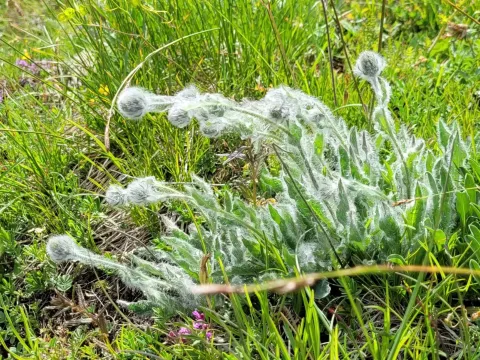
Mouse-ear hawkweed
Hieracium pilosum
Mouse-ear hawkweed, belonging to the Asteraceae family, is a resilient perennial plant that is increasingly recognized for its utility in herbal production and ground cover management. Sowing is typically performed in early spring when soil temperatures allow for active germination.
What the section contains
Mouse-ear hawkweed
Seeds of Hieracium pilosum are small and photoblastic, meaning they require exposure to light to germinate effectively. Therefore, they should be scattered on the surface or lightly pressed into the soil without deep burial, ensuring consistent moisture levels during the establishment phase.
For industrial cultivation, spacing should account for the plant's aggressive creeping habit. Using stolons allows the crop to spread rapidly, forming a thick mat that provides excellent soil stabilization and suppresses weed growth in subsequent years.
While spring sowing is optimal, autumn sowing is also viable in regions with mild winters. In such cases, the soil must be prepared to be loose and well-aerated to prevent frost heaving from displacing the shallow root system of young seedlings.
The selection of the sowing site should prioritize full sun exposure. Shaded areas significantly reduce the plant's vigor and density, which is counterproductive for yield optimization and the development of high-quality medicinal biomass.
##requirements##This species is highly adaptable, thriving in nutrient-poor, sandy, or stony soils where other crops often fail. It demonstrates a remarkable tolerance to dry conditions, largely due to the silver-white hairs on its leaves that reflect sunlight and minimize moisture loss.
While the plant tolerates lean soils, productivity can be slightly enhanced by balanced mineral supplementation. However, it is essential to avoid high nitrogen fertilizers, as they lead to excessive vegetative growth at the expense of secondary metabolites required for pharmaceutical efficacy.
The optimal pH range for this crop is slightly acidic to neutral. High levels of soil compaction should be avoided at all costs, as the roots are sensitive to waterlogging, which often leads to root rot and the loss of the plant population.
Climatic requirements are modest, as the plant is cold-hardy and well-adapted to temperate environments. It withstands varying temperatures and can grow in exposed locations that are prone to high wind speeds without suffering significant damage.
The primary agronomic maintenance involves keeping the area free from aggressive invasive weeds during the first season. Once the plant forms a mature, dense cover, it effectively outcompetes most weeds, significantly reducing the labor required for maintenance.
##yield##The yield of Hieracium pilosum is measured by the total amount of harvested aerial biomass. Mature plantations, typically established for two years, provide the most stable and high-quality harvest, with peak concentrations of active ingredients occurring during the blooming phase.
Proper irrigation management during the vegetative phase can maximize biomass yield. While the plant is drought-tolerant, supplemental water during prolonged heatwaves prevents premature wilting and ensures a more consistent harvest volume.
Mechanical harvesting is possible with adapted equipment that performs a clean cut above the basal rosette. This preservation of the rosette allows the plant to regenerate quickly, potentially allowing for a second, smaller harvest if environmental conditions permit.
After collection, the biomass should be dried rapidly in a well-ventilated space at low temperatures. Controlled drying is essential to prevent fermentation and ensure that the delicate chemical structure of the plant remains intact for end-use.
Long-term profitability is linked to the plant's perennial nature. Because the crop does not need to be replanted every year, operational costs remain low, making it an efficient choice for landowners seeking low-maintenance medicinal crops.
##threats##Fungal pathogens are the most significant threat to the crop, particularly powdery mildew, which can spread rapidly in dense, poorly ventilated plantings. Managing plant density and ensuring good airflow are critical preventative measures.
Insect pests, such as aphids, may occasionally infest the plant, causing chlorosis and reduced growth rates. In medicinal cultivation, the use of chemical pesticides is discouraged; instead, biological control or mild horticultural soaps are preferred.
Root rot, driven by stagnant water and heavy clay soils, is the primary cause of sudden crop failure. Regular monitoring of the plantation for patches of wilted leaves can help identify and remove diseased clusters before they infect the entire plot.
Weed control remains a concern only in the first year. Invasive grasses are particularly problematic as their root systems can intertwine with those of the hawkweed, making manual extraction difficult and damaging to the crop.
To maintain high yield standards, growers should rotate patches or rejuvenate the planting by thinning older, woody clumps. This ensures that the population remains vibrant and less susceptible to opportunistic diseases that attack stressed plants.
##harvest##Harvesting is executed when the plant is in full flower, as the chemical profile reaches its peak at this developmental stage. This timing is essential for meeting the quality standards required by the pharmaceutical industry.
The harvest involves cutting the entire aerial part of the plant. A sharp tool or specialized blade should be used to ensure the cuts are clean, preventing ragged edges that can invite infection or promote decay in the remaining root structure.
Post-harvest hygiene is paramount. The biomass must be transported quickly to the drying facility to minimize exposure to dirt, insects, or moisture, which could degrade the quality of the raw material.
Standardization of the drying process is critical. Temperatures should not exceed 40 degrees Celsius, as higher heat degrades the essential plant compounds. Once dried to a moisture content of roughly 12 percent, the material is ready for processing.
Strategic harvesting cycles help extend the lifespan of the plantation. By avoiding over-harvesting in late autumn, the plant is given sufficient time to store energy in its root system, ensuring vigorous regrowth for the following spring season.