
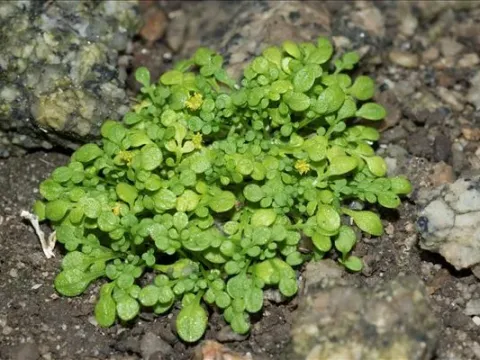
Nananthea
Nananthea
Nananthea is a monotypic genus of flowering plants belonging to the Asteraceae family. This botanical entity is strictly endemic to the islands of Sardinia and Corsica, where it occupies highly specialized habitats.
What the section contains

Nananthea
The plant is typically found in rocky crevices, gravelly soils, and exposed coastal areas. Its physiological structure is adapted to high salinity and extreme variations in moisture availability throughout the year.
Botanically, it presents as a low-growing herbaceous plant with small, daisy-like flower heads. The foliage is generally narrow and sparse, reflecting its survival strategy in nutrient-poor Mediterranean environments.
The climate requirements for Nananthea are defined by mild, moist winters and hot, arid summers. It thrives in full sunlight and requires a well-ventilated location to prevent excessive humidity around the crown.
Soil requirements focus on drainage and mineral composition. It performs best in rocky, gritty substrates with low organic matter, which prevents root asphyxiation during the occasional wet spells.
The primary threat to the stability of Nananthea populations is habitat fragmentation and the ongoing development of its limited endemic range along the Mediterranean coastline.
Cultural constraints include high susceptibility to root-rot diseases, especially if the drainage profile of the growing environment is compromised by heavy or water-retentive soils.
Pest pressures often include small sap-sucking insects like aphids, which can compromise plant vitality, particularly if the plant is under abiotic stress from drought or improper light.
Invasive plant species pose a significant risk to its survival by outcompeting the slow-growing Nananthea for space, nutrients, and sunlight in its native rocky niches.
Long-term survival strategies rely heavily on conservation efforts that protect the specific topographical features and microclimates necessary for the species' continued existence.