
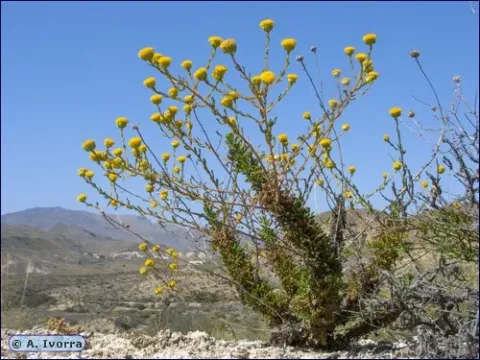
Santolina viscosa
Santolina viscosa
Sowing Santolina viscosa is best performed in the early spring, once the soil has warmed sufficiently. The ideal temperature range for germination is 15–20 degrees Celsius, which promotes uniform growth and ensures the establishment of strong roots before the onset of summer heat.
What the section contains
Santolina viscosa
For commercial agricultural purposes, greenhouse-grown seedlings are often preferred to ensure high planting survival rates. Seeds are typically started in trays during March, allowing for a robust root system to develop before the plants are transplanted into the main field.
The planting depth should be very shallow, ideally around 0.5 centimeters, as the seeds are quite small and require light exposure to trigger the germination process. Compacting the soil too firmly over the seeds can hinder their emergence.
Spacing is a crucial factor for the long-term success of a Santolina crop. Providing at least 30–45 centimeters between plants allows for adequate airflow, which is essential to prevent the buildup of excess humidity within the foliage.
After transplanting, it is beneficial to apply a light layer of mulch to maintain consistent soil moisture during the initial weeks. Careful weed management must be prioritized, as young Santolina plants are easily outcompeted by aggressive weeds in the early growing season.
Santolina viscosa thrives in full sun, requiring at least six to eight hours of direct sunlight daily to maintain its structural integrity and aromatic profile. Inadequate lighting results in leggy growth and a noticeable reduction in essential oil concentration.
The plant is highly adaptable to well-drained, sandy, or rocky soil types. It is particularly important to ensure the site has excellent drainage, as the species is highly susceptible to root rot in waterlogged or heavy clay-rich environments.
Soil pH levels should be neutral to slightly alkaline for optimal growth. If the local soil is too acidic, amending it with agricultural lime is recommended to improve the nutrient availability and support the plant’s physiological processes.
This species is exceptionally drought-tolerant once established. It rarely requires supplemental irrigation, as it is physiologically equipped to handle the arid conditions typical of its Mediterranean origin without significant stress.
Maintenance pruning is a fundamental practice in the cultivation of this crop. Trimming the plants back after flowering helps keep them dense and prevents woody stems from becoming brittle, ensuring longevity and productivity over several growing cycles.
The most significant threat to Santolina viscosa is fungal infection resulting from high humidity and poor soil drainage. Root rot and damping-off can devastate a plantation, especially during unusually wet springs or autumns.
Aphids can occasionally colonize the tender new growth of the plant during the spring months. While the plant's natural oils have some repellant properties, heavy infestations may require the application of biological pesticides to maintain health and yield.
Powdery mildew is another risk factor if planting density is too high or if air circulation is insufficient. Ensuring that the foliage dries quickly after rainfall is the most effective preventative measure against this common fungal issue.
To keep the crop healthy, farmers should engage in regular field patrols to identify any localized signs of distress or pest activity. Early detection allows for targeted management rather than broad-spectrum interventions that could affect the aromatic quality.
Maintaining the overall ecosystem health through integrated pest management (IPM) practices is the preferred strategy for commercial producers. This ensures the final product remains free of chemical residues while promoting a sustainable production environment.
The harvest phase occurs when the plant is in full bloom, representing the peak period for essential oil accumulation within the foliage and flowers. Harvesting should be scheduled during clear, dry weather to ensure the quality of the harvested material.
Clipping the upper portions of the shoots is the standard practice, leaving the woody base of the plant intact to facilitate rapid regrowth. Specialized harvesters can be used for larger fields, provided they are calibrated to avoid crushing the plant material.
Post-harvest handling requires immediate drying in a shaded, well-ventilated space. Slow, cool drying is necessary to prevent the loss of volatile aromatic compounds that provide the plant with its unique commercial and medicinal value.
Once dried, the crop must be stored in airtight, moisture-proof containers. Maintaining a cool, dark environment will preserve the potency of the essential oils for a longer period, which is essential for meeting industry standards.
Santolina viscosa is primarily valued for its application in the cosmetic and perfumery sectors, as well as in traditional herbal medicine. Its specific aromatic profile makes it a sought-after raw material for extracts and specialized phytotherapeutic formulations.