
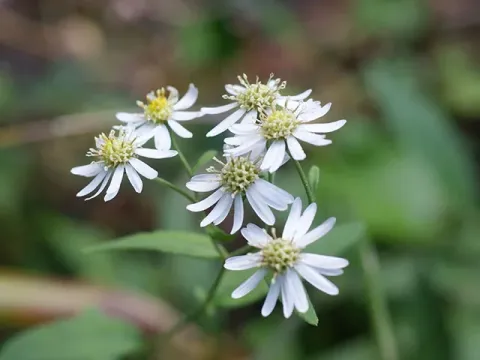
Satsuma aster
Aster satsumensis
Sowing of Aster satsumensis seeds is best initiated in early spring once the soil temperature consistently reaches 12 to 15 degrees Celsius. In regions with shorter growing seasons, starting the seeds in a greenhouse or indoor seed trays is highly recommended for success.
What the section contains
Satsuma aster
Prepare a light, well-draining substrate consisting of peat, sand, and high-quality potting mix. Seeds should be sown lightly on the surface, as light exposure is often required for germination, and covered with only a thin dusting of soil.
Once seedlings have developed two sets of true leaves, they should be pricked out into individual pots to foster strong root development. This process ensures the young plants can successfully transition to their permanent outdoor location without significant shock.
Transplanting into the garden should occur only after the danger of frost has passed. Maintain a planting spacing of 30 to 40 centimeters to ensure adequate air circulation between individual plants, preventing overcrowding and subsequent issues.
During the establishment phase, consistent moisture is vital. However, once the plants are well-rooted, they can tolerate slightly drier conditions, which helps in preventing excessive leaf growth at the expense of flower production.
Aster satsumensis, belonging to the Asteraceae family, requires full sun exposure to thrive. Proper sunlight levels are essential for maintaining the plant's natural form and encouraging the development of numerous vibrant blossoms.
The plant performs best in moderately fertile, well-drained loamy soils with a neutral pH level. In soils that are overly sandy or heavy with clay, adding organic compost can improve nutrient retention and drainage properties significantly.
Temperature management is crucial; the plant prefers a temperate climate and does not fare well under extreme heat stress. Providing a layer of organic mulch around the base helps stabilize soil temperature and retain necessary ground moisture.
Fertilization should be balanced, focusing on promoting both vegetative growth early in the season and floral development closer to the blooming period. Avoid heavy nitrogen-based fertilizers late in the season to prevent weak, succulent stems.
Weeding the area surrounding the plants is essential, as Aster satsumensis does not compete well with invasive grass or aggressive weeds for water and nutrients. Maintaining a clean garden bed supports the overall health and vigor of the aster patch.
Powdery mildew is the most common fungal issue for Aster satsumensis, particularly in humid or stagnant air environments. Good spacing and early detection allow for easier management through organic fungicides or cultural practices.
Root rot, often caused by overwatering or poor soil drainage, can be lethal to the plant. Ensuring the planting site has excellent drainage and avoiding waterlogged conditions are the primary preventative measures.
Aphids and spider mites are typical insect pests that target the foliage and tender buds. Regular monitoring and, if necessary, the application of horticultural soaps or neem oil can help maintain a pest-free environment.
Slugs and snails can cause significant damage to young shoots during the early spring growth period. Using physical barriers like crushed eggshells or copper tape can effectively discourage these pests from reaching the plants.
Fungal wilts and stem blight can occasionally affect the plant in overly crowded or damp conditions. Proper hygiene, including the removal of dead plant material at the end of the season, significantly reduces the likelihood of these pathogens overwintering.