
Santolina
Santolina L.
Santolina seeds should be sown in late winter or early spring using a well-drained, lightweight potting mix. Seeds require light for germination and should be sown on the surface with only a light dusting of sand or vermiculite.
What the section contains


Santolina
Maintain a stable temperature between 20°C and 22°C during the germination phase. Once seedlings reach a height of a few centimeters, they should be transitioned to a cooler location to ensure strong, compact stems.
Transplanting into the garden should only occur after all risk of spring frost has passed. Plants benefit from a hardening-off period outdoors, where they are exposed to increasing levels of sunlight over one week.
Vegetative propagation via cuttings taken in late summer is often preferred for maintaining cultivar characteristics. Cuttings are placed in a sandy substrate and kept in a shaded, humid environment until roots develop.
Adequate spacing is vital to avoid overcrowding and ensure proper air circulation. A minimum distance of 40–50 cm between plants helps minimize the risk of moisture-related fungal issues.
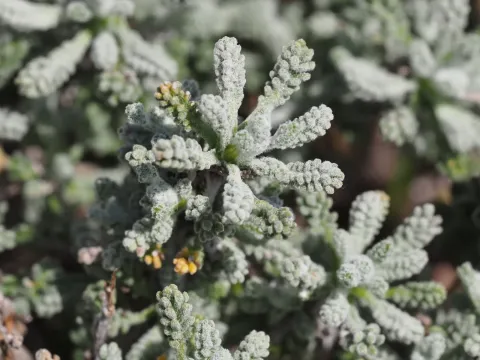
Santolina is an evergreen sub-shrub belonging to the Asteraceae family, native to the Mediterranean region. It is highly valued for its aromatic, silvery foliage and bright yellow button-like flowers.
The plant thrives in full sun and requires at least 6–8 hours of direct light daily. Lack of sunlight results in leggy growth and reduced structural integrity of the plant, making it prone to breakage.
Santolina is well-adapted to poor, rocky, and alkaline soils. It is essential to provide excellent drainage, as the plant is highly sensitive to root rot caused by wet, heavy, or waterlogged soil conditions.
Drought tolerance is a signature trait of Santolina once established. Deep, infrequent watering is preferable to light, frequent watering, which may encourage shallow root development and vulnerability.
While the plant is hardy in many zones, it struggles in regions with high winter humidity combined with cold temperatures. In such climates, it should be protected or grown in containers that can be moved indoors.
The harvest of Santolina is typically timed to coincide with the period of peak flowering when essential oil concentration is highest. This is the optimal window for both medicinal and aromatic use.
Harvesters should use sharp shears to cut the flower stalks along with the upper portion of the foliage. It is best practice to remove only the upper third of the plant to encourage rapid regrowth.
Drying should be conducted in a well-ventilated, dark area to preserve the vibrant silver color of the leaves and the essential oils. Excessive heat should be avoided during the drying process.
Dried flowers and leaves are widely used in potpourri, aromatic sachets, and traditional herbal crafts. The plant's distinctive, sharp scent is long-lasting and effective in repelling certain garden pests.
After the harvest, a light trim helps the plant maintain a tidy shape. Regular pruning is an essential agricultural practice to prevent the plant from becoming woody and losing its foliage at the base.
Root rot is the most common threat to Santolina, almost exclusively resulting from overwatering or inadequate soil drainage. Prevention focuses entirely on maintaining a dry root zone.
Powdery mildew may develop during periods of high humidity if plants are grown too close together. Improving spacing and ensuring a breezy location is the best natural defense against this fungus.
Garden pests such as aphids or spider mites can infest the plant during dry spells. These pests are best managed by periodic monitoring and the application of neem oil or insecticidal soaps if necessary.
Keeping the crown of the plant clean and free from decaying mulch is critical. A layer of decorative gravel around the base can help keep the foliage dry and prevent soil-borne pathogens from spreading.
Regular maintenance, including the removal of dead branches, strengthens the plant's natural resistance. Healthy specimens growing in optimal environmental conditions rarely require chemical intervention.