
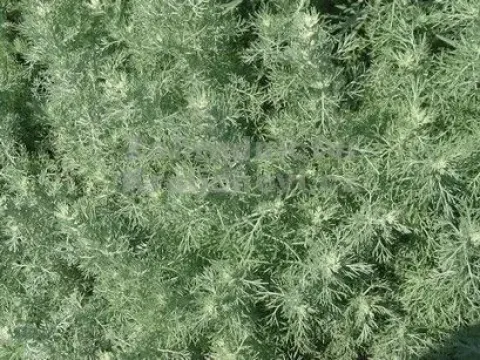
Santonica wormwood
Artemisia santonica
Santonica wormwood (Artemisia santonica), belonging to the Asteraceae family, is a perennial semi-shrub valued for its chemical compounds. Propagation typically requires cold stratification of seeds to overcome dormancy and ensure consistent germination rates.
What the section contains
Santonica wormwood
Sowing in open fields should occur in early spring once soil temperatures reach a stable 8–10 degrees Celsius. Because the seeds are tiny, they should be surface-sown or covered with a very thin layer of substrate to ensure adequate contact with moisture.
Commercial cultivation usually involves row seeding with spacing of 60–70 cm. This layout is crucial for enabling mechanical weeding and field maintenance during the plant's initial development stages.
Vegetative propagation via root division is another viable method for establishing uniform plantations, especially when aiming to preserve high-yield genetic strains of the herb.
Choosing the right location is paramount. This crop thrives in full sun; any degree of shade can significantly reduce the concentration of active medicinal ingredients within the biomass.
The plant is famously drought-tolerant and displays a high level of salt tolerance, making it an ideal choice for arid regions or saline soils where other conventional crops might fail.
Preferred soil types include well-drained sandy or loamy soils. The plant suffers significantly in heavy, compacted, or waterlogged soils, which increase the risk of root rot during the dormant winter months.
Santonica wormwood possesses excellent winter hardiness, surviving cold climates effectively. However, it requires well-aerated soil to prevent damage from freeze-thaw cycles in regions with high soil moisture.
Fertilization should be handled with care. Excess nitrogen must be avoided as it stimulates leafy growth at the expense of floral development, which is the primary source of the plant’s active constituents.
Regular cultivation and loosening of the soil between rows are recommended. This practice improves oxygen circulation and helps the plant maintain its vigor during peak summer temperatures.
Yield is measured based on the weight of the dried flower heads, which contain the therapeutic compound santonin. Plantations usually reach their productive peak in their second and third years.
Under optimal management practices, growers can expect an average yield ranging from 0.5 to 1.2 metric tons of dried flower heads per hectare. Productivity varies depending on soil fertility and local climate.
Harvest timing is critical. Since santonin content fluctuates based on the growth stage, collecting material exactly at the onset of the flowering phase is essential for maximizing the value of the crop.
Weed management during the early growth stages is the most important factor in ensuring a high-quality harvest. Competitors for light and nutrients can significantly inhibit the plant's development.
The final product is mainly utilized by the pharmaceutical industry. Ensuring the purity of the harvested biomass is essential to meet strict industry standards for secondary processing.
Artemisia santonica is relatively hardy, but it may be susceptible to powdery mildew during periods of high humidity. This fungus can coat the leaves and disrupt the photosynthesis process.
Pests such as aphids and spider mites may target younger shoots. In a commercial farming context, integrated pest management (IPM) using biological controls is preferred to maintain the herb's medicinal quality.
Root-related diseases like fusarium wilt can occur if the crop is not rotated correctly or if soil drainage is inadequate. A rotation cycle of at least five years is highly recommended.
Insects like leaf beetles might cause minor foliage damage, but they rarely impact the overall yield if the plants are maintained in a healthy, vigorous state through proper field hygiene.
Cleaning the fields of harvest residues is a vital practice for reducing the carry-over of pathogens into the next growing season, ensuring long-term plantation health.
Harvesting must take place during the budding phase, specifically before the flower heads bloom. This narrow window ensures the maximum concentration of santonin is preserved in the tissues.
Mechanical harvesting is common in large-scale operations. The goal is to collect the floral parts and the top 10–15 cm of the stems while avoiding excess woody material that lowers quality.
Immediate post-harvest processing is required to prevent degradation. The material should be dried in specialized dryers with active ventilation at temperatures between 40 and 45 degrees Celsius.
If natural drying methods are used, the product must be kept in the shade, protected from direct sunlight, and provided with constant airflow to prevent the growth of mold or mildew.
Properly dried material should maintain a grey-green color and a pungent, characteristic aroma. Storage must be in a cool, dry, and clean environment to preserve potency until processing.