
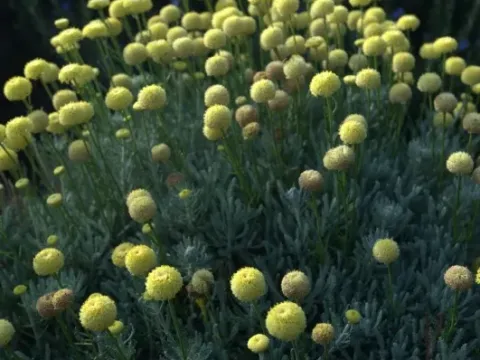
Santolina benthamiana
Santolina benthamiana
Santolina benthamiana is a perennial evergreen shrub belonging to the Asteraceae family. Seeds are typically sown in late winter or early spring using a light, well-draining seed-starting mix.
What the section contains
Santolina benthamiana
Sowing should be done on the surface of the soil, as the seeds require light to germinate effectively. The containers must be kept in a bright location with a temperature around +20°C.
Seedlings develop relatively slowly and require careful monitoring of soil moisture. Once they have developed two sets of true leaves, they can be transplanted into individual pots.
For large-scale cultivation or specific cultivars, vegetative propagation via semi-ripe cuttings is preferred. This ensures that the progeny retain the parent plant's characteristics.
Cuttings are usually taken in late summer and rooted in a mix of sand and perlite under protective cover to maintain high humidity during the initial phase.
This species is highly adapted to sunny, Mediterranean-like conditions. It thrives in full sun exposure, which is essential for maintaining the plant's compact, silver-foliaged habit.
The soil requirements are strict: the plant mandates sharp drainage. It performs exceptionally well in poor, rocky, or gravelly soils with a neutral to slightly alkaline pH.
Santolina benthamiana is inherently drought-tolerant once established. It rarely requires supplemental irrigation, as excessive moisture often leads to fungal root issues.
Fertilization should be kept to a minimum. Over-fertilizing, particularly with nitrogen, results in soft, leggy growth that is susceptible to pests and winter damage.
In colder regions, the plant requires protection from winter wetness. Mulching with inorganic materials like gravel is recommended to keep the crown dry during the cold season.
The economic value of this crop primarily involves the production of essential oils and dried botanical material for the fragrance and pharmaceutical industries.
Yields are maximized by managing the plant's vegetative vigor. Regular pruning post-flowering encourages the development of new, healthy shoots for subsequent harvests.
Careful timing of the harvest is crucial to ensure high concentrations of aromatic compounds. Optimal harvest occurs just as the flowers begin to open fully.
Consistent management of soil health and plant density ensures a reliable output of botanical material over several years without the need for frequent replanting.
Sustainable harvesting practices suggest removing no more than one-third of the annual growth to ensure the plant's longevity and health for the following season.
The most significant threat to the health of the plant is poor soil drainage leading to root rot. This condition is prevalent in areas with high clay content or excessive rainfall.
Powdery mildew can occur if the plant is grown in poorly ventilated conditions. This fungal disease appears as a white, dusty layer on the foliage and inhibits growth.
Pests such as aphids may occasionally infest new shoots during the spring. Early identification and manual removal or the use of organic sprays usually suffice for control.
Root-knot nematodes can potentially damage the root system in certain regions, necessitating the use of healthy, clean planting material and proper crop rotation practices.
- Ensure rapid soil drainage.
- Promote adequate air circulation.
- Practice timely weeding.
- Monitor for early pest signs.
Harvesting should take place on dry, sunny mornings. The absence of dew is critical to prevent mold development during the drying process of the aromatic foliage.
Using sharp, sterilized shears, harvest the green, leafy stems, taking care not to cut into the woody base of the plant, which recovers slowly from deep pruning.
Drying is best accomplished by hanging small bundles in a shaded, well-ventilated area. This slow drying process preserves the integrity of the essential oils.
Once fully dried, the material should be processed or stored in airtight containers. Protecting the dry herbs from direct sunlight is essential for long-term storage.
Proper harvesting techniques not only provide a high-quality product but also maintain the aesthetic appeal of the shrub for landscape use.