
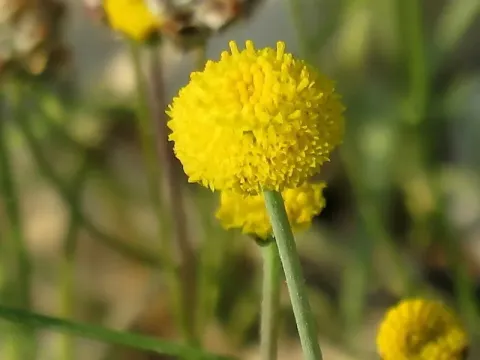
Santolina-leaved yarrow
Achillea santolina
Sowing of Achillea santolina is best performed in early spring once the danger of severe frost has passed and the soil has sufficiently warmed up.
What the section contains
Santolina-leaved yarrow
For commercial cultivation, seeds are often started in greenhouse trays in late winter to ensure uniform germination and strong plant development before transplanting.
When direct seeding, it is essential to ensure excellent seed-to-soil contact by lightly pressing the seeds into the substrate without covering them too deeply.
Optimal spacing should be maintained between rows to allow for efficient machine cultivation and to prevent plant overcrowding that could lead to fungal issues.
Regular irrigation during the establishment phase is critical, transitioning to a more drought-tolerant schedule once the deep root system is fully established.
Achillea santolina is a member of the Asteraceae family, well-known for its ability to thrive in Mediterranean-style climates with long, hot, and dry summers.
The plant demands full sun exposure to maintain its compact growth habit and to maximize the production of essential oils within its aromatic leaves.
It prefers gritty, well-draining soils and is particularly sensitive to waterlogged conditions, which can quickly lead to root rot and plant mortality.
Soil pH levels should ideally range between 6.5 and 7.5, reflecting a neutral or slightly alkaline environment which promotes healthy foliage growth.
Fertilization should be minimized; excessive feeding can result in lush but weak growth, reducing the plant's natural resistance to environmental stress.
The primary threats to Achillea santolina are soil-borne pathogens and fungal infections such as root rot, which are often exacerbated by poor drainage and excessive irrigation.
Aphids and mites can pose significant threats during the peak of summer, potentially damaging the delicate leaves and reducing the overall quality of the harvest.
Powdery mildew represents a common challenge in regions with high humidity, necessitating proper air circulation and spatial management within the field.
Integrated pest management (IPM) strategies, including the rotation of crops and the use of beneficial insects, are highly recommended for sustainable production.
Constant monitoring of plant health, especially during damp periods, allows for early intervention and ensures that the crop remains productive throughout the season.