
Santolina hybrids
Santolina hybrids
Santolina hybrids are evergreen subshrubs belonging to the Asteraceae family. These plants are the result of selective breeding and hybridizing Mediterranean species, valued for their architectural shape and foliage.
What the section contains
Santolina hybrids
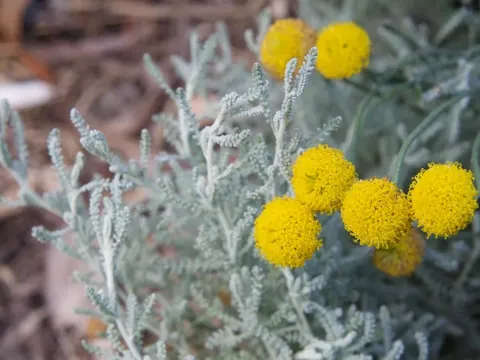
The botanical structure consists of dense, mound-forming stems covered in finely divided, silver-grey leaves. During summer, the plant produces distinctive button-like yellow flower heads held above the foliage.
Cultivation requires full sun exposure and well-draining soil. This plant thrives in poor, gritty substrates and is famously drought-tolerant once established in the landscape.
Soil pH should ideally be neutral or slightly alkaline. Gardeners must avoid overly rich or fertilized soils, as they cause the plant to grow rapidly but lose its characteristic compact form and longevity.
Climatic adaptability is highest in warm temperate zones. While they can withstand brief cold spells, excessive winter dampness is detrimental, and they require sheltered sites in colder regions.
The primary threats to Santolina hybrids are moisture-related issues. Excessive watering or poorly drained soils lead to root rot and fungal dieback, especially during dormant periods.
Powdery mildew can occur if the plant is situated in a location with low air circulation or high humidity, creating a white, dusty film on the foliage.
In terms of pests, aphids and spider mites are occasional invaders, typically appearing during heatwaves when the plant is stressed by prolonged lack of moisture.
Good cultural practices, such as annual pruning after flowering, are essential to keep the center of the plant ventilated and prevent it from becoming woody and sparse.
Preventative care involves keeping the base of the plant free of debris and ensuring it is not crowded by faster-growing perennial neighbors that might trap humidity.