
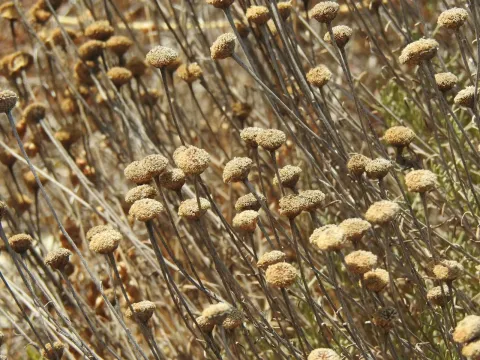
Santolina impressa
Santolina impressa
Sowing Santolina impressa seeds is typically initiated in early spring within controlled environments like greenhouses or cold frames. This controlled start ensures that the seedlings, which can be somewhat delicate in their early stages, have optimal protection from unpredictable weather.
What the section contains
Santolina impressa
The growing medium should be highly porous, combining standard potting soil with generous portions of horticultural sand or perlite. This mixture mimics the plant’s natural habitat and prevents the seed from suffering due to excessive water retention.
Seeds are surface-sown and barely covered, as they require light to germinate effectively. Maintaining a constant temperature around +20°C is crucial for achieving high germination rates, with seedlings usually emerging within three to four weeks.
Once the seedlings develop at least two sets of true leaves, they should be carefully pricked out into individual small pots. This individual spacing encourages the development of a strong root system before the plants are transitioned to outdoor conditions.
Acclimatization, or hardening off, is a vital step before transplanting. By gradually exposing the seedlings to outdoor temperatures and light over a period of two weeks, the gardener ensures that the plants are robust enough for life in the garden.
As a member of the Asteraceae family, Santolina impressa thrives in conditions that mimic its native Mediterranean-like environment. It demands full sun and will become leggy and weak if forced to grow in even partial shade.
The most critical soil requirement is excellent drainage. The plant is highly susceptible to root rot if the soil remains wet, so stony or sandy soils with low organic matter content are preferred over rich, heavy loam.
This species is exceptionally drought-tolerant once established, thanks to its specialized foliage and deep root system. It does not require frequent irrigation and, in fact, performs best when allowed to dry out between watering intervals.
Neutral to slightly alkaline soil conditions are ideal for its physiological processes. If the soil is too acidic, amending it with a small amount of lime can significantly improve the growth and overall health of the shrub.
Regular maintenance involves pruning, which is essential to maintain a compact, bushy shape. Cutting back the stems after flowering prevents the plant from becoming woody at the base and promotes fresh, dense growth in the following season.
The primary threat to the vitality of Santolina impressa is waterlogged soil, which invites fungal pathogens that lead to root and crown decay. Prevention relies entirely on careful site selection and ensuring proper drainage.
Pests such as aphids may occasionally cluster on tender new shoots. While the plant's strong aromatic oils repel many herbivores, an aphid infestation can still weaken the plant, requiring the application of soft soap solutions or neem oil.
Powdery mildew can manifest in gardens with poor air circulation or high humidity levels. By providing sufficient spacing between individual plants, the risk of this fungal disease is substantially reduced.
Winter dampness is another significant hazard for this species. If the plant is exposed to persistent rain during cold periods, the leaves may blacken, and the plant can struggle to recover in the following spring.
Overall, maintaining the plant's health is relatively straightforward if its requirement for a dry, sunny environment is met. Most threats are purely secondary to mismanagement of moisture and site location.
Harvesting Santolina impressa for practical or decorative use is usually performed during the full bloom period, when the concentration of essential oils is highest. The aromatic foliage and flowering heads are the main parts utilized.
Harvesting is best done in the late morning after the dew has evaporated but before the heat of the day reaches its peak. Using sharp, sterilized pruners ensures clean cuts that heal quickly without causing stress to the plant.
Drying the material should be done in a shaded, well-ventilated location to preserve the volatile oils that give the plant its unique scent. Avoiding direct sunlight during the drying process is critical to preventing the loss of aromatic potency.
Once fully dried, the material should be stored in airtight containers away from direct heat or light. This preservation method ensures the plant retains its distinct, spicy aroma for months after the harvest season has concluded.
The plant finds utility in creating herbal sachets, as a natural pest deterrent for wardrobes, and as a visually appealing component in dried flower arrangements. Its persistent fragrance is its most valued attribute in household applications.